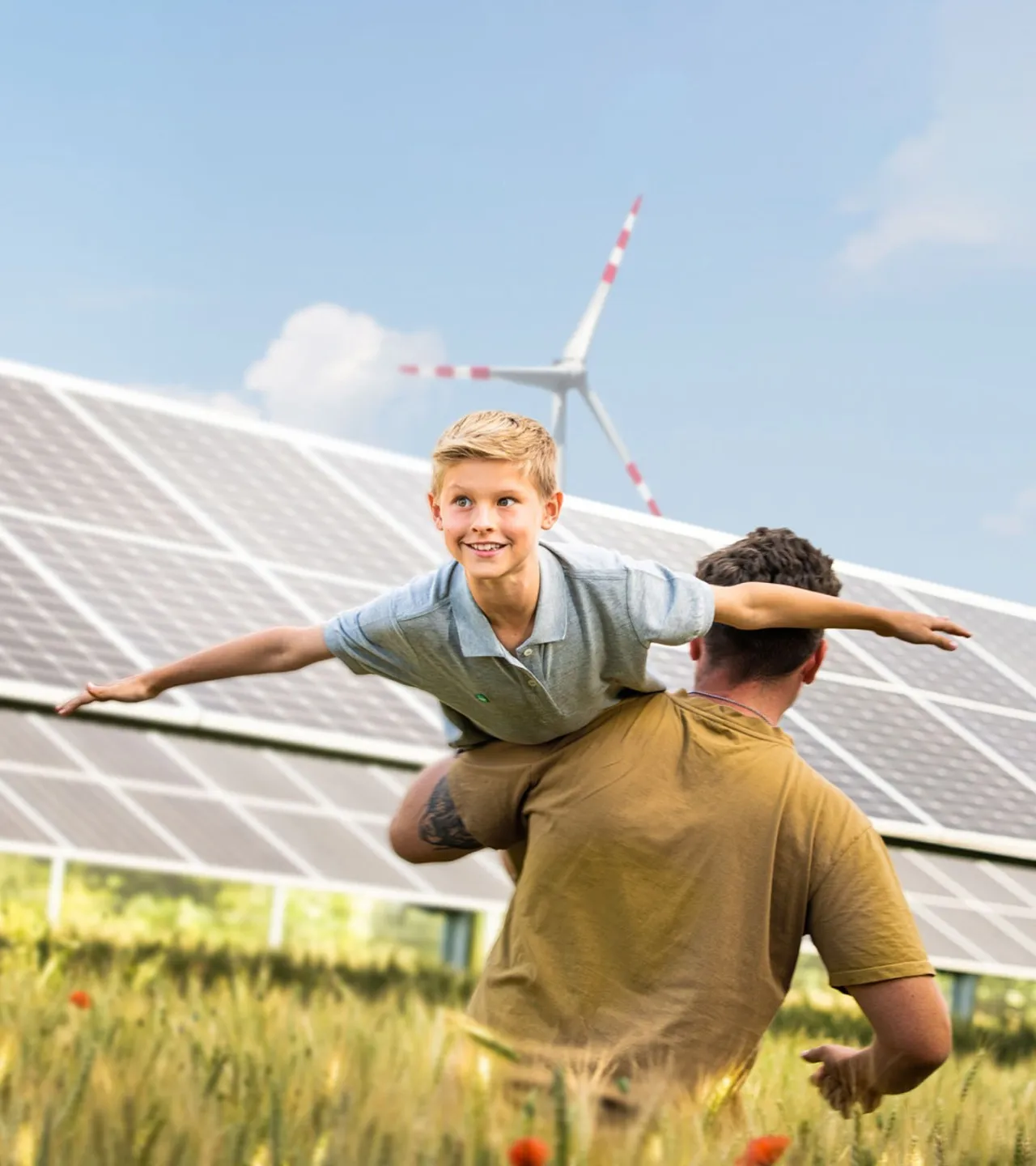
Agri-PV as a climate change adaptation measure
As a technical engineering firm specialising in wind energy and agri-PV projects, we understand the untapped potential that still lies within this sector. Combined with storage and grid technologies, they are a key driver for sustainable, domestic energy generation – this is the only way we can achieve long-term security of energy supply and price stability.
A particular aspect of agri-PV projects is becoming even clearer to us, especially during this year’s drought-stricken summer. Even in the past, our EWS Sonnenfeld® sites, the clear benefits of the synergy between photovoltaics and agriculture have repeatedly come to the fore, particularly during extreme weather conditions such as prolonged periods of frost and heat.
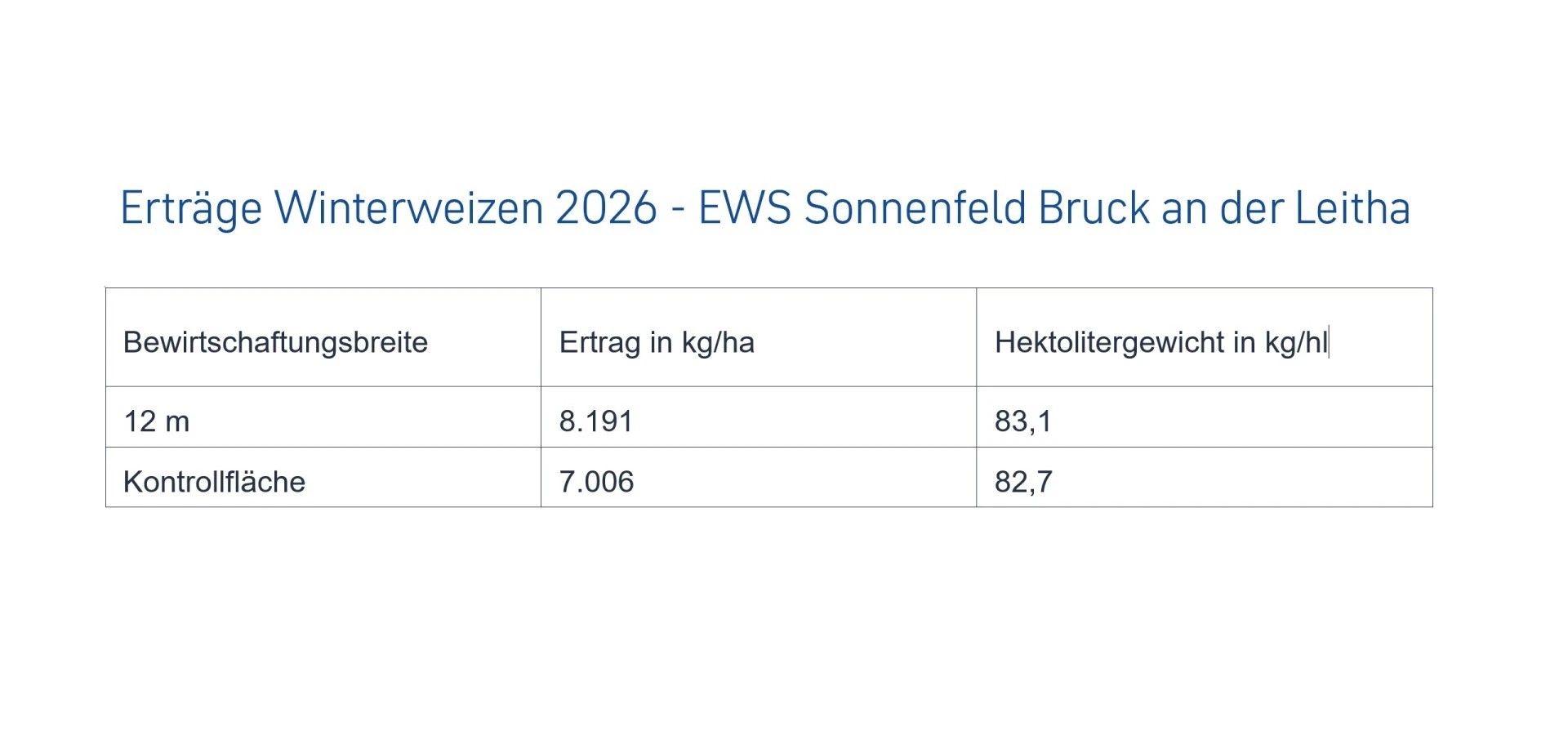
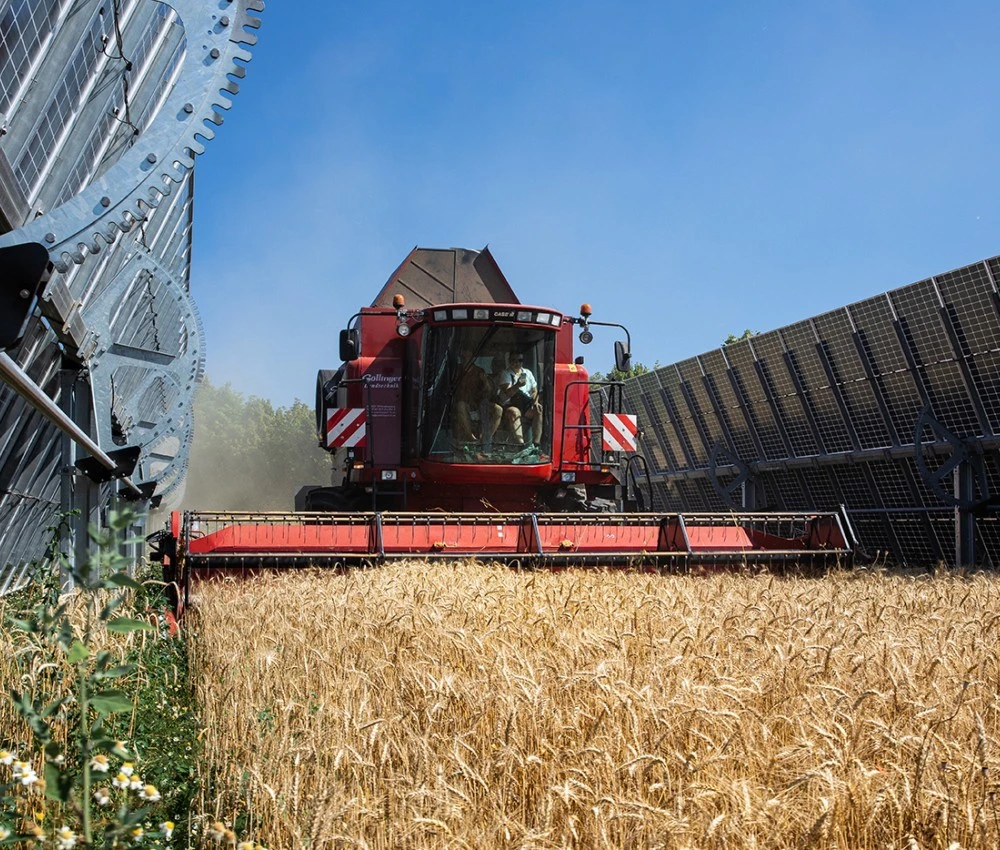
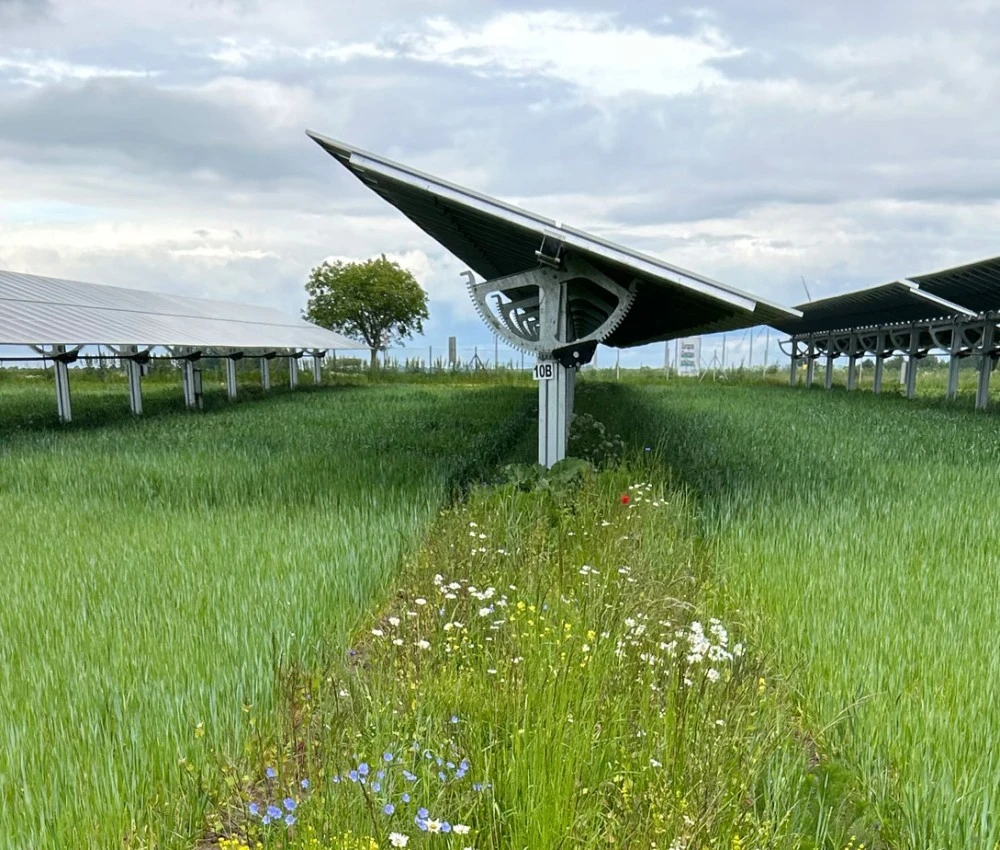
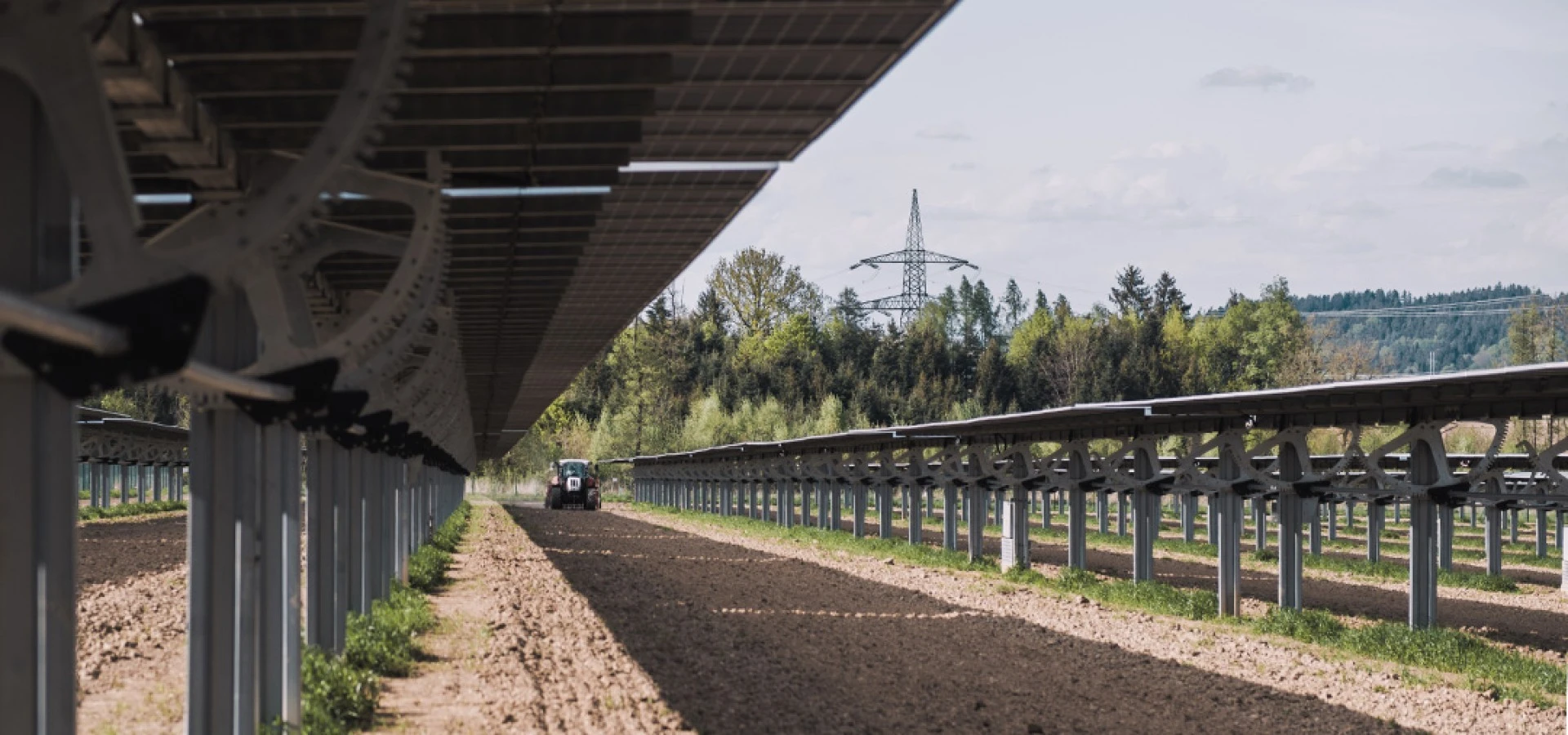
“We are increasingly observing a certain protective function for plants and soil. This has become particularly evident this year on the 12-metre-wide cultivation strips at the EWS Sonnenfeld in Bruck an der Leitha. There, we have recorded a 14 per cent (!) increase in yield this year compared to the control area without PV modules. We therefore believe that agri-PV represents a genuine climate change adaptation measure. One which, incidentally, not only stabilises agricultural yields but also, in the case of trackable PV modules such as our ‘Sonnenfänger’, stabilises solar power generation. “Particularly in the morning and evening hours, tracking modules can achieve a 20 per cent increase in yield compared to fixed-mount systems,” says Alina Mirwald.
Synergy effects as added value for agricultural land
Of course, in agriculture, there are always several factors at play which, taken together, influence crop yields and which farmers must keep in mind and balance carefully. Whilst there are initial observable synergy effects regarding the interactions between PV modules and agriculture in agri-photovoltaics, long-term studies are still lacking. Furthermore, the complexity arising from the site, crop type, soil compaction during the construction of the system and regional weather conditions makes it difficult to draw general conclusions.
The University of Natural Resources and Life Sciences, Vienna, has now been supporting the EWS Sonnenfeld Bruck an der Leitha project as a scientific partner for more than three years. Data is being collected, analysed and insights derived. Currently, the winter wheat yields for the current year are being analysed and will be included in the final report of the research project, which is due to be published at the end of the year. We will then have an even better understanding of the interrelationships and will be able to further optimise the EWS Sonnenfeld® – for the energy transition and for agriculture.