FOKUS: Future of Energy appeared in DER STANDARD today.
Conclusion of this issue: Austria’s energy future is no longer an abstract question about the future, but a concrete task to be shaped – for business, politics, research and society.
This issue of Future of Energy highlights key perspectives on Austria’s energy future – from security of supply, renewable energies and smart grids to electromobility, digitalisation and system flexibility.
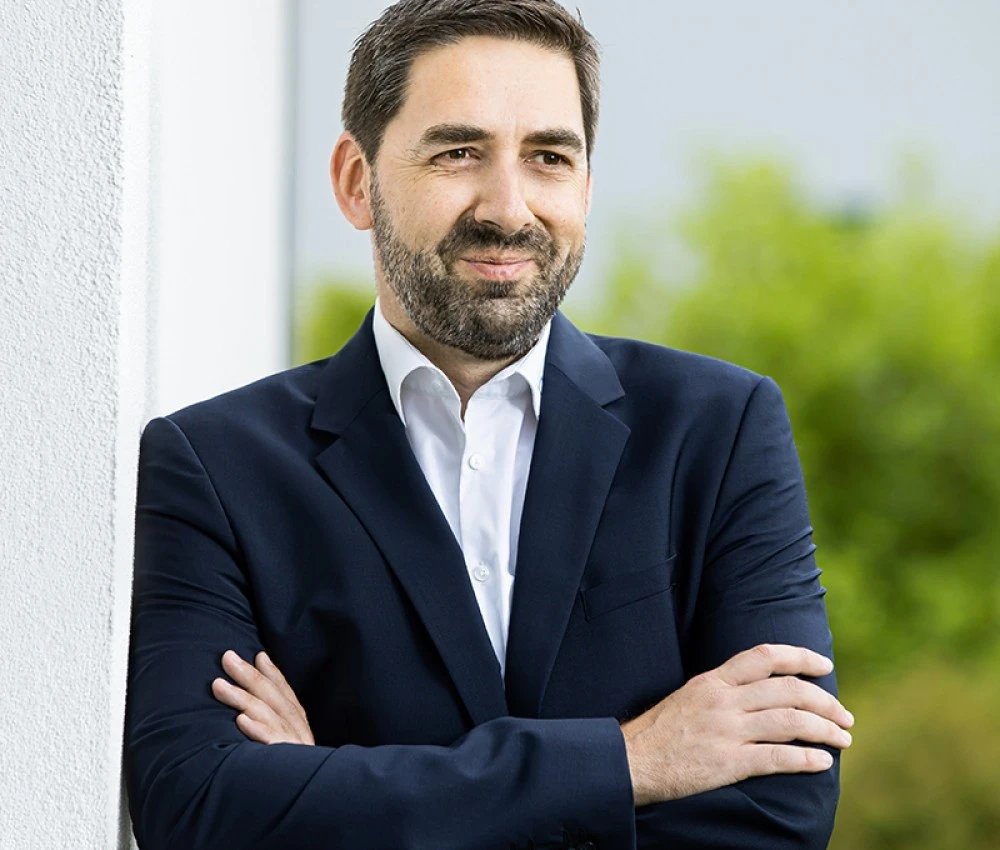
On the cover: Patricia Neumann, CEO of Siemens AG Austria, offering insights into smart grids and greater intelligence for the grid. In an interview with her: how existing capacities can be better utilised and more decentralised generators integrated – and why a European approach to the energy system is crucial. The editorial by Michael Baminger, President of Österreichs Energie, makes it clear: when it comes to energy, everything is at stake now. Plans must be turned into concrete projects – security of supply, expansion and a systems-based approach go hand in hand. Contributors include: Michael Strugl – VERBUND, Andreas Matthä – ÖBB, Thomas Sobottka – Fraunhofer Austria, Hitachi Energy, Bosch, Burgenland Energie, EWS and others.
The EWS article focuses on the role the regions play in Austria’s future energy supply. Here is a summary of the key points.
- The energy transition is taking place in the regions: Decentralised renewable energy strengthens security of supply, reduces costs and creates regional value and jobs.
- Leveraging Austrian know-how: EWS has been championing renewable energy projects for over 32 years and brings extensive experience and interdisciplinary expertise to the table.
- Building acceptance through dialogue: Transparent communication, early-stage discussions and the involvement of local communities and the public are crucial for successful projects.
- Renewables as a locational advantage: A secure, predictable and affordable energy supply strengthens businesses, safeguards jobs and promotes regional prosperity.
- Enabling local authorities to benefit economically: Local authority agreements and citizens make it possible to keep value creation directly within the region.
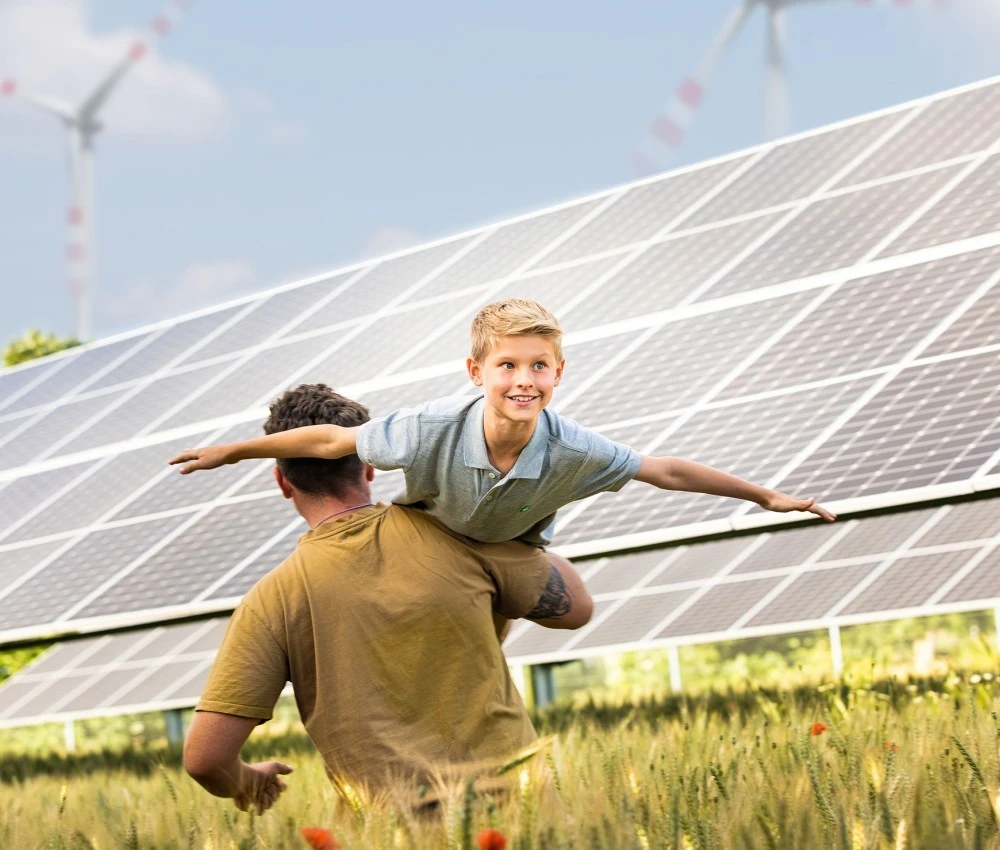
- Agri-PV enables dual land use: With EWS Sonnenfeld®, 80 per cent of the land continues to be used for agriculture, 18 per cent is dedicated to biodiversity and only 2 per cent is used for solar power generation.
- Securing the future of agriculture: Additional lease income provides financial security. The PV modules can also protect crops from heat, wind and hail.
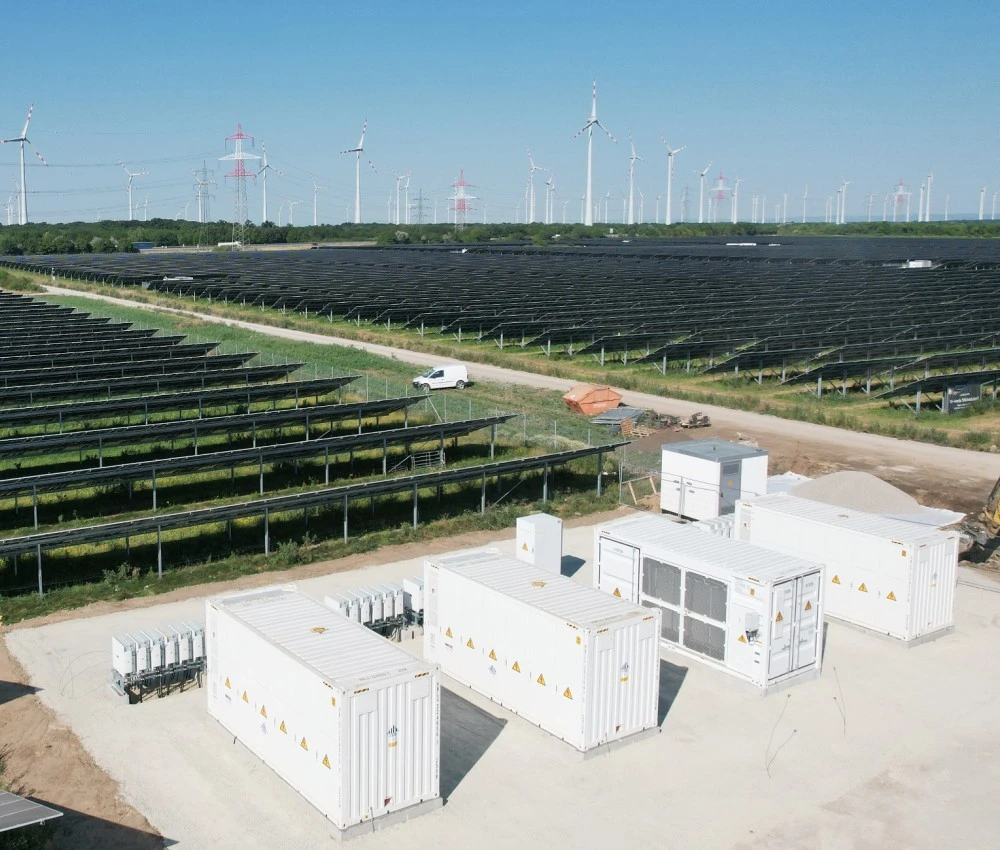
- Combining wind, solar and storage: Hybrid farms compensate for seasonal fluctuations in generation, utilise grids more efficiently and contribute to a more stable electricity system.
- Holistic planning saves time and money: Joint planning of generation, grids and storage reduces investment and operating costs and improves overall efficiency.
- Creating the right framework for faster expansion: Clear, predictable targets and efficient approval procedures are crucial to ensuring that technically and economically viable energy projects are implemented more quickly.
Click here for the e-paper. Read the full EWS article on page 18.