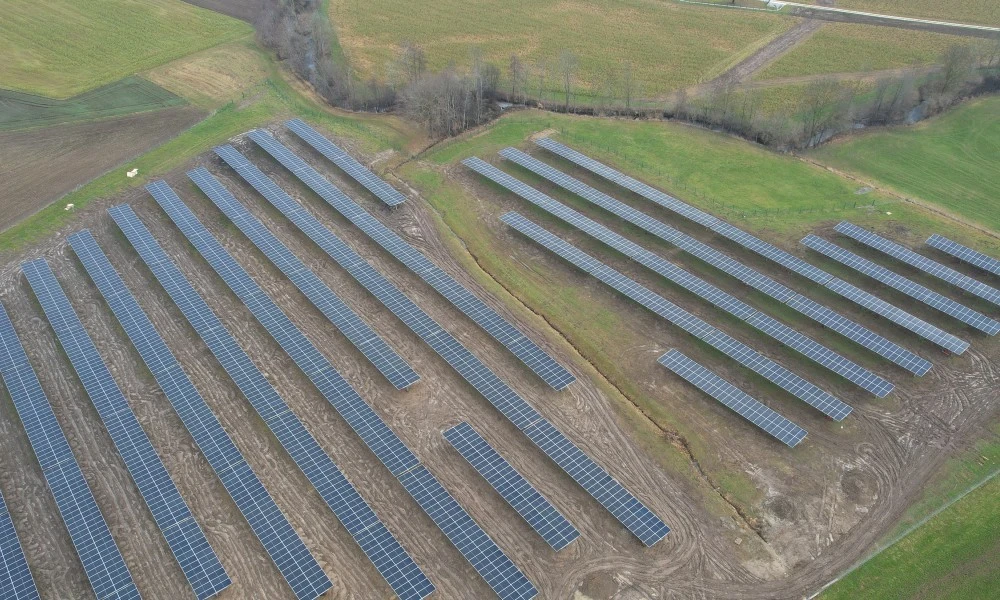
Technical due diligence for photovoltaic systems and solar parks
Technical due diligence solar PV: we review all technical aspects of your solar project and help safeguard your investment.
Our technical due diligence creates the transparency needed for sound investments in photovoltaic projects. Whether the project is in development, under construction or an existing system: we review all technical aspects with great care and provide an objective assessment of opportunities and risks. A TDD is used above all for financing, acquisition or taking a stake.
A TDD is a structured review based on existing documents, plans and data. Typical review items are the system design, the components used, the yield forecast and its assumptions, the permitting status, quality assurance measures and the contractual framework. Scope and depth depend on the project stage: in development, design and assumptions are the focus; for a ready-to-build design, the detailed documents. For existing systems, the documentation of the system as built and the operating results of previous years are added, sometimes complemented by on-site checks such as infrared imaging or performance measurements. A TDD does not replace detailed design; it assesses whether design, components and assumptions fit together and where improvements are needed. Quality assurance includes measures during construction and operation whose documentation buyers and lenders want to be able to follow. For existing systems, it is also assessed whether the operating data match the forecast.
We analyse the strengths and weaknesses of your project using a traceable assessment matrix and identify technical and economic risks, tailored to the project status. To do so, we review and verify the plausibility of the yield data (see yield forecasts for PV systems) and cost data (see investment and operating cost plan for photovoltaics), creating the basis for a realistic valuation of the project. When checking the plausibility of the yield forecast, the radiation data source, the loss assumptions and the degradation typically have to be questioned, and we check whether P50 and P90 values were derived in a traceable way.
The permitting situation is also part of the review, as is a contract analysis of EPC and O&M contracts through to PPAs. Because land-use zoning, nature conservation law and electricity law are regulated differently in each federal state, the status of the permits is a key review point. In Upper Austria, for example, ground-mounted systems above 1,000 kW require an authorisation under electricity law, and on grassland above 50 m² of module area a special zoning designation in addition. The documents also include the grid operator's statement; from 0.25 megawatts up to below 35 megawatts, the requirements of TOR Erzeuger Type B apply. For systems from 0.25 megawatts, conformity tests are added, and for funded projects the funding requirements: for agri-PV, the EAG (Renewable Energy Expansion Act) requires, for example, an agricultural use concept and a declaration of commitment, and funding applications are subject to deadlines. How a procedure runs is shown by the specialist support for PV permits. For wind projects, we carry out the technical due diligence for wind farms.