Sound immission measurement for photovoltaic and central PV inverters
Sound immission measurement for photovoltaic: we record your PV plant's noise level to standard and supply data for the noise permit.
With our measurements for the noise approval of central PV inverters, you always know where the noise level really lies. We record it reliably and support you in complying with noise protection requirements. Whatever the surroundings of your project, we listen closely.
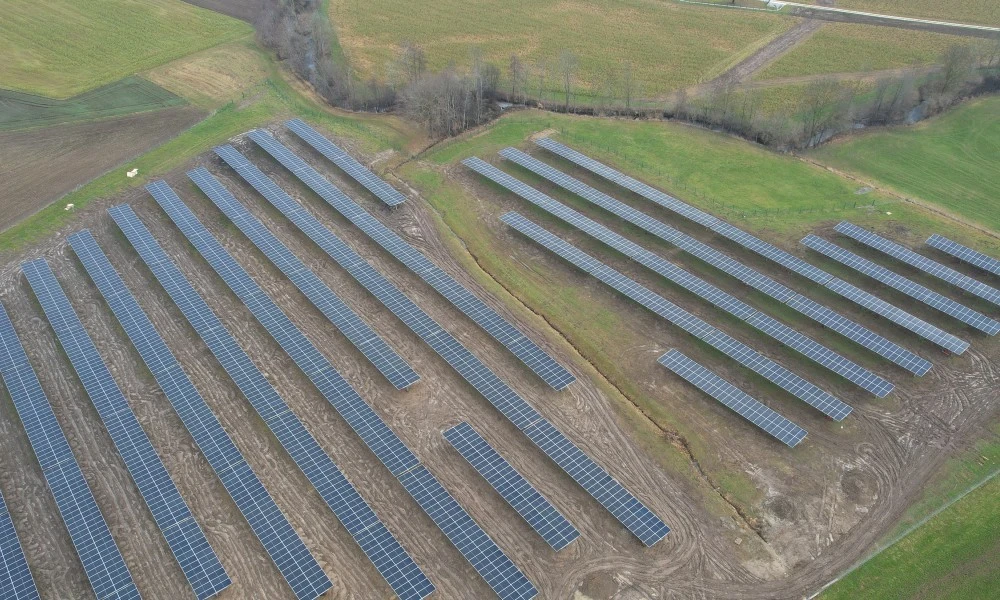
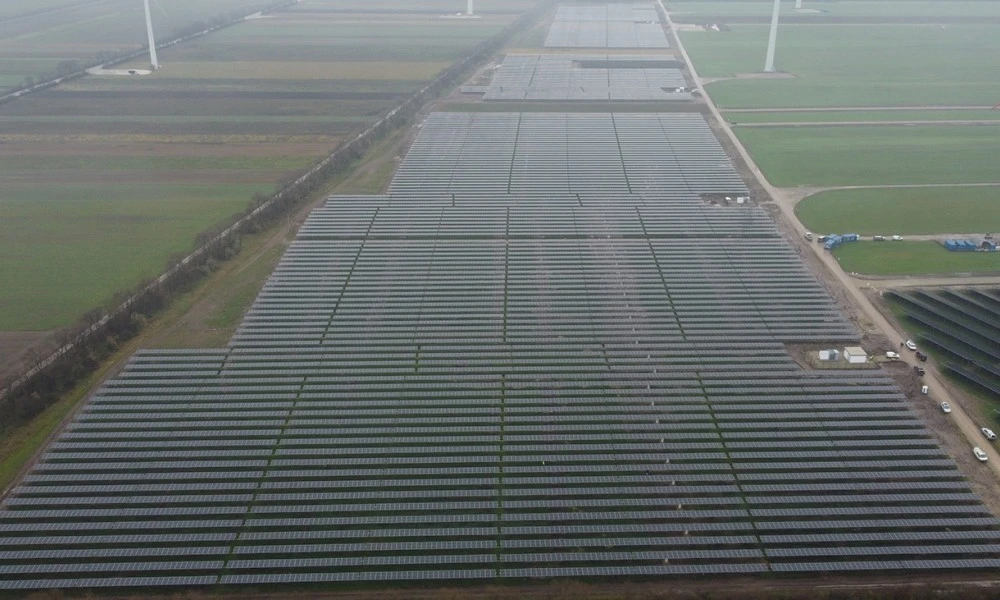
In photovoltaic plants, sound arises mainly at the central inverters and transformer stations. When converting direct current into alternating current, inverters produce switching noise; transformers add core vibrations and fans. The modules themselves are silent, so a PV plant is only relevant in the vicinity of these components. How noticeable they are depends on the distance to the nearest dwelling and on the ambient noise. The procedure is about reasonableness for healthy, normally sensitive people; forecasts require complete emission data, and noise protection works best when it is built into the planning. In Upper Austria, noise protection is one of the areas examined in the electricity-law authorisation of larger plants. The human-medical assessment relies on the noise forecast, and the construction phase is considered separately.
In Austrian plant approval procedures, sound immission is usually assessed under ÖAL Guideline No. 3 Sheet 1, while the measurement itself follows ÖNORM S 5004. The yardstick is the change in the actual local conditions. For this, the baseline level LA,95 of the locally prevailing environment is determined and compared with the plant's continuous noise. The measurement campaign is carried out by our accredited testing body, the EWS Testing Center. We determine the baseline level to standard. This gives you reliable data on the existing noise exposure at the immission point and thus the starting situation for the assessment under documented environmental conditions. Measurement takes place in the daytime or night-time period. Wind conditions and other meteorological conditions are documented and taken into account in the assessment. Correction factors applied must be justified conclusively, and for modifications to existing plants the total emission of the existing plant and the modification must be considered. The zoning-based baseline level alone is not sufficient as a basis. The locally prevailing immission can also be calculated from traffic volumes and the emissions of neighbouring approved plants, and operating times in the core night period from 0 to 5 a.m. are treated separately. For equipment, sound pressure or sound power levels must be stated with a defined distance or directivity correction. Aids include the ÖAL requirements for noise projects, OIB Guideline 5 on sound insulation and emission data for operation types.
The report must document measurement points and relevant immission points transparently, for example with a plan and photos. By taking all noise requirements into account early, we safeguard project delivery in preliminary design and permit planning. The results form the basis for the operational noise report for photovoltaic. After commissioning, noise emission measurement and frequency analysis for PV checks operation. For wind farms, there is sound immission measurement for wind turbines.