Execution planning for PV systems and solar parks, incl. detailed design
PV execution planning: we plan every detail from module layout to grid connection, whether agri-PV, ground-mounted or rooftop.
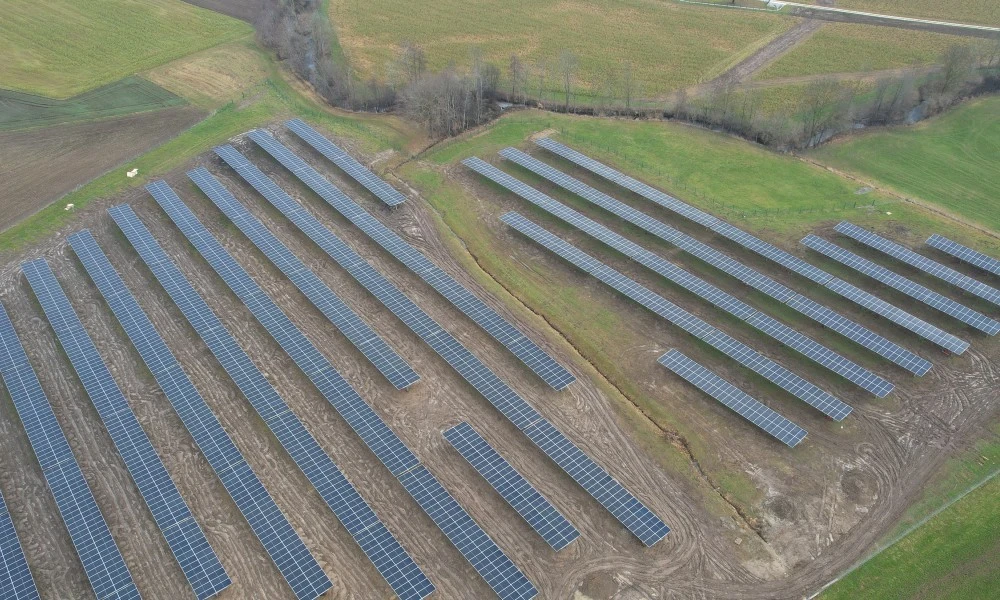
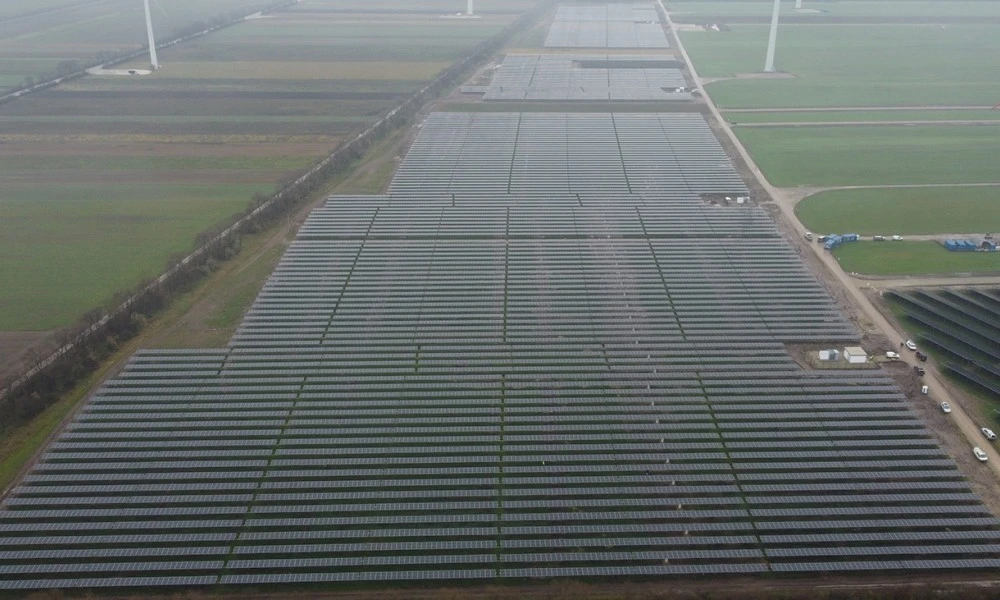
With precise execution planning and detailed technical design, we make sure your PV system works efficiently, reliably and sustainably. This applies equally to agri-PV, ground-mounted PV and rooftop PV systems. We plan from the first construction drawing to the last cable route and translate permit conditions into practical, technically precise and environmentally sound solutions. Whether foundations, access routes or ecological measures: we coordinate all interfaces for implementation on site.
Execution planning defines how your photovoltaic system is technically built and is the basis for tendering, procurement and installation. The more precisely module layout, cable routing and grid connection are planned, the more reliably costs and schedules can be calculated. Conditions from the permitting procedure are already reflected in the drawings. Execution planning also covers the construction sequence: the work area, access roads, storage areas and cable trenches are laid out so that construction can proceed with minimal impact on soil and nature, for example with low-ground-pressure machinery and outside breeding seasons. The drawings typically comprise site plans, layout and cable plans, circuit diagrams and details of foundations, tracks and fences, each at the level of detail needed for tendering and installation.
The details include structural design. The mounting system must be designed for the specific site and dimensioned against wind and snow loads. In addition, the OVE E 8101 series of standards with Part 7-712 contains requirements for PV systems, including that all DC-side components are suitable for direct current, that maintenance work can be carried out safely and that warning signs are fixed to the system. For inverters installed outdoors, the manufacturer's specifications and the ambient conditions must be taken into account. Test reports, drawings and circuit diagrams form part of the documentation handed to operators. From the point of view of soil and nature, reversible foundations, unsealed tracks, sufficient row spacing and construction work outside the breeding season also argue for careful detailed design. The measures from the permit decision, such as flower strips or structural elements, are located on the drawings and backed up with quantities and dates. The DC side is subject to special requirements for isolating and protective devices, which are considered separately from the AC side in the detailed design.
For agri-PV systems, agricultural use comes into play. DIN SPEC 91434 distinguishes elevated systems (category I, at least 2.10 metres clearance height) from ground-level ones and limits the loss of land caused by the system to no more than 10 and 15 per cent of the project area respectively; agricultural yield should be at least two thirds of the reference yield. The basis for execution planning is the civil engineering design of the PV infrastructure. Using the finished drawings, we tender the electrical and construction works and the PV components. The construction site coordination follows for the construction phase. We deliver agri-PV on a turnkey basis with the EWS Sonnenfeld®.