PV project public relations and project presentation
PV project public relations: we present your project clearly and in dialogue with all stakeholders, strengthening local acceptance.
A good PV project needs more than modules, it needs trust. Transparent communication creates this trust and makes your project a success. We help you present your project professionally and convincingly: clearly, comprehensibly and in dialogue with all stakeholders.
Whether citizens' meeting, municipal council or press work: we prepare the content for the target group, clarify questions early and strengthen local acceptance of your photovoltaic plant. Communication works best when it starts early, as early as project development and land acquisition. Basic rules for good dialogue are: start early, inform continuously rather than once, act proactively before rumours arise, appear united and address target groups separately. Local nature conservation associations should also be involved as partners, and an information flyer with an opinion survey makes concerns visible. Dialogue also means that feedback from meetings and surveys flows back into planning and communication.
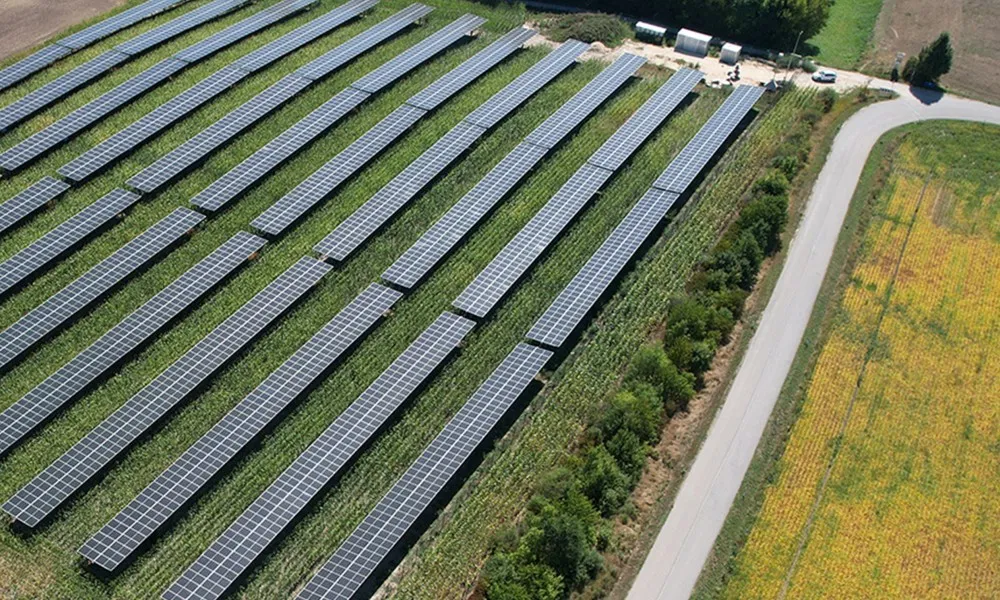
Target groups include residents and neighbours, the municipal representatives, local businesses, clubs and the farmers, who should be informed transparently about the opportunities and risks of leasing. Proven formats are information events, municipal newsletter, display boards and flyers as well as the local press. Where landscape integration is difficult, early visualisations that are discussed openly with citizens help. Communication includes clearly naming the concrete benefit for the region, presenting the advantages for the municipality transparently and building partnerships with businesses, schools and clubs. A biodiversity concept can also be conveyed vividly, for example extensive maintenance without chemical-synthetic fertilisers and pesticides using regional native seed. The share of sealed area at ground-mounted plants generally remains small and depends on layout, foundations and access, and the distance to villages is agreed project-specifically with the population and the municipality. Many questions on site coincide with the topics examined in the procedure: land zoning, nature conservation, distances to roads and neighbouring plots, possible light reflections and decommissioning of the plant. Depending on the federal province and the procedure, a confirmation from the municipality of compliance with the land-use plan is also required. With agri-PV it must be made clear how agricultural use is preserved, for example through elevated modules or rows between which farming continues. With agri-PV, figures help: according to DIN SPEC 91434, the area loss may be at most 10 percent for elevated systems and at most 15 percent for near-ground systems.
How residents and municipalities can be involved is also shown by our EWS Sonnenfeld®. On request, we support citizen participation and crowd investing, which extends the dialogue by economic participation. For wind farms there is public relations for wind projects.