Glare assessment for photovoltaic plants and solar parks
Glare assessment for PV plants: we check reflections on roads, residential areas and airports based on OVE R 11-3 or regulatory rules.
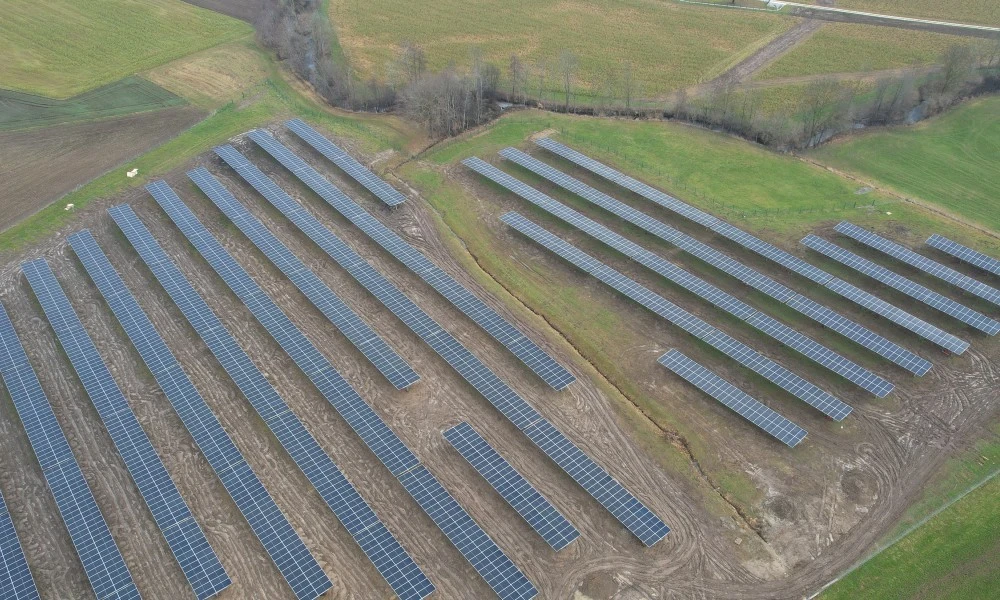
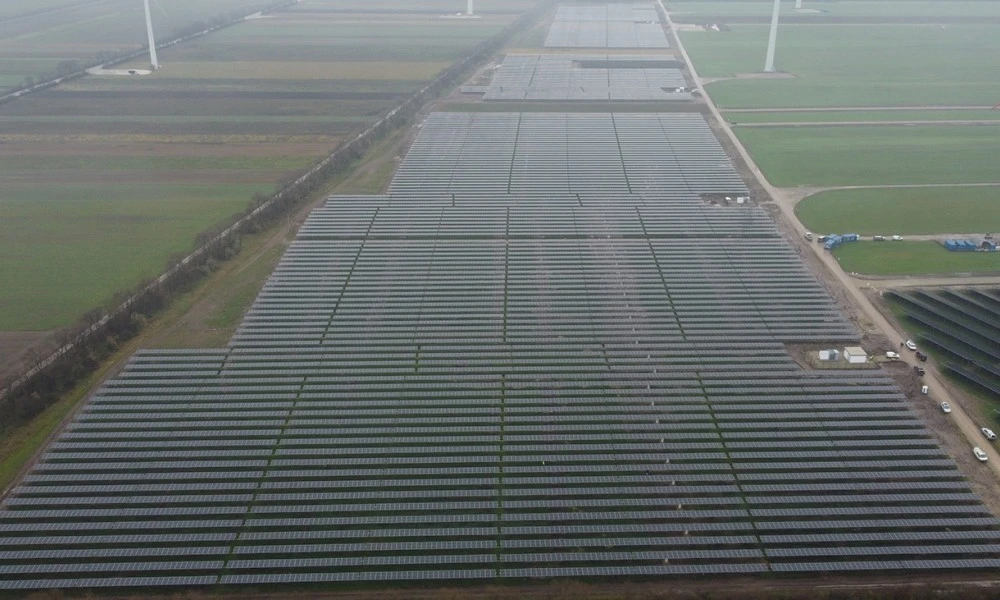
Photovoltaic plants, including Agri-PV plants, can cause glare through sun reflections, particularly towards roads, residential areas or airports. For your PV projects, we prepare detailed glare assessments based on OVE R 11-3 or on other rules required by the authorities. We examine the effects of reflected sunlight on the surroundings, on roads and on neighbouring buildings and residential areas.
The OVE guideline R 11-3 deals with the assessment of light immissions from indirect glare, that is, from sun reflections on PV modules. It distinguishes between immission areas of the neighbourhood and of traffic and has separate assessment criteria for each. It applies to the planning phase as well as to existing plants, for example in the case of complaints. The aim is to largely rule out significant nuisance to residents and to avoid safety-relevant glare for road users. A distinction is made between physiological glare, which impairs vision, and psychological glare, which is perceived as unpleasant.
Technically, the glare assessment calculates for each relevant immission point when the position of the sun produces a reflection in its direction. The sun position is often calculated at one-minute intervals over a whole year; direct sunlight is not considered, because it occurs even without the plant. Inputs are sun positions over the year, tilt and orientation of the modules, terrain heights and view obstructions by buildings or vegetation. For the neighbourhood, the duration and frequency of glare at the windows of living spaces count; for traffic, the position relative to the main viewing direction from the perspective of car and truck drivers. For each immission point, the result shows the glare duration per day and year as well as the day with the longest glare and, if required, compares variants with glare protection. With modern calculation and analysis methods, we identify possible conflicts early and feed the findings directly into ongoing planning. The results are prepared so that authorities and experts can check them. If conflicts cannot be ruled out, adjustments to tilt or orientation, low-reflection modules, screening by planting or an anti-glare fence come into question.
In the permit procedure, the glare effect may need to be dealt with separately; whether and in what form depends on the applicable provincial law and the requirements of the specific procedure, and neighbours can raise objections to it. Whether the glare assessment is required already in the rezoning procedure or only in the plant procedure depends on the federal province; in the rezoning procedure, a rough estimate of whether glare on roads or airfields is possible suffices in some places. Under civil law, neighbours can also defend themselves against glare that is not customary in the locality and significantly impairs them. The glare assessment provides the proof for the permit procedure, which we support with expert support for the approval procedure. Further reports for solar projects: operational noise assessment and landscape and townscape assessment.