Detailed nature conservation surveys for PV parks and solar plants
Ecological surveys for PV parks assess land take, habitat change and fragmentation effects, safeguarding planning for your project.
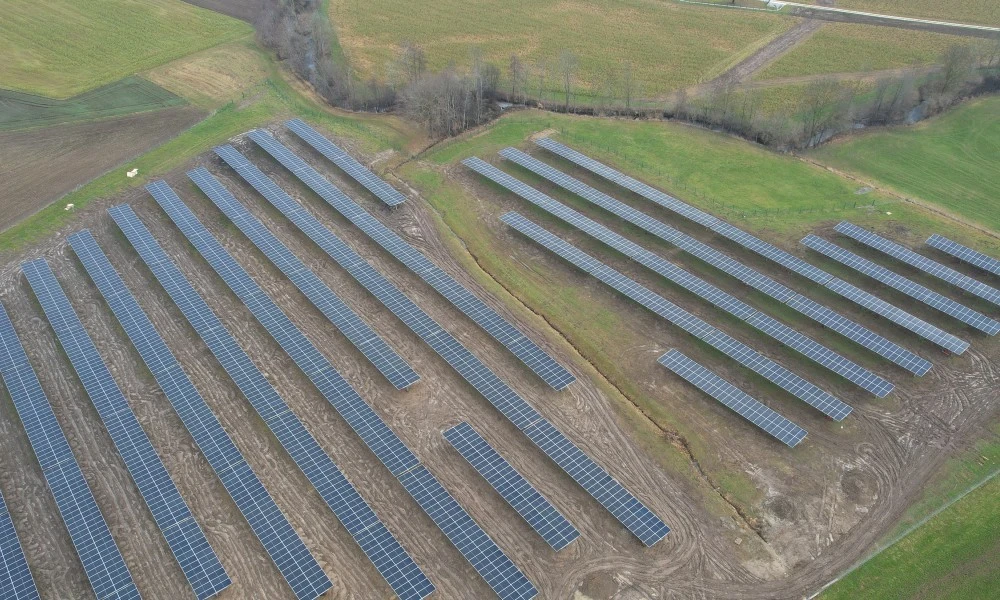
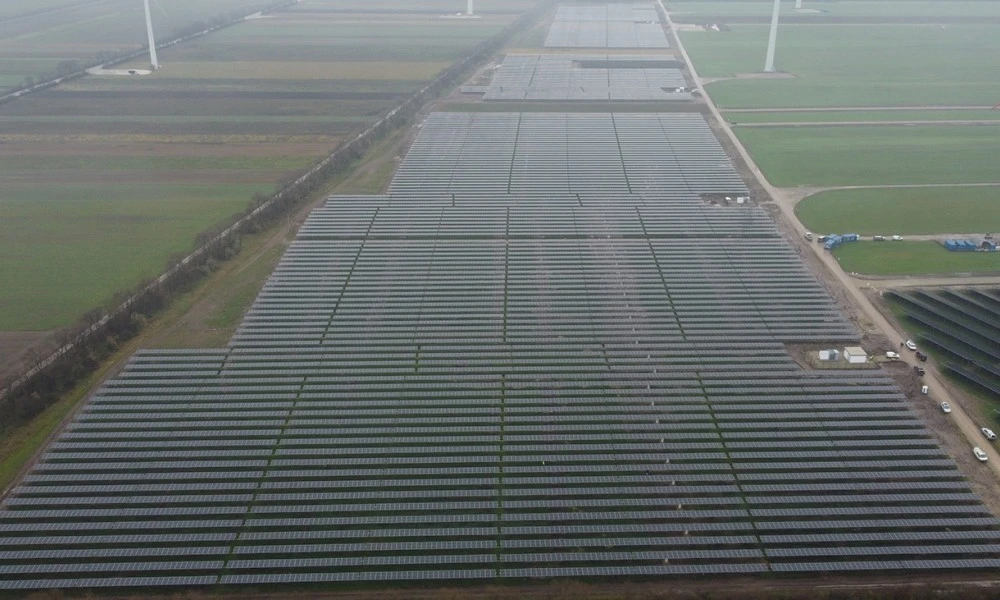
With wind turbines, the issue is collision risk. With PV parks, the focus is on land take, habitat change and fragmentation effects. Nature conservation surveys are therefore an essential building block in planning and implementation. Our biology team provides a sound ecological assessment, helps minimise interventions in nature and landscape and ensures compliance with nature conservation law.
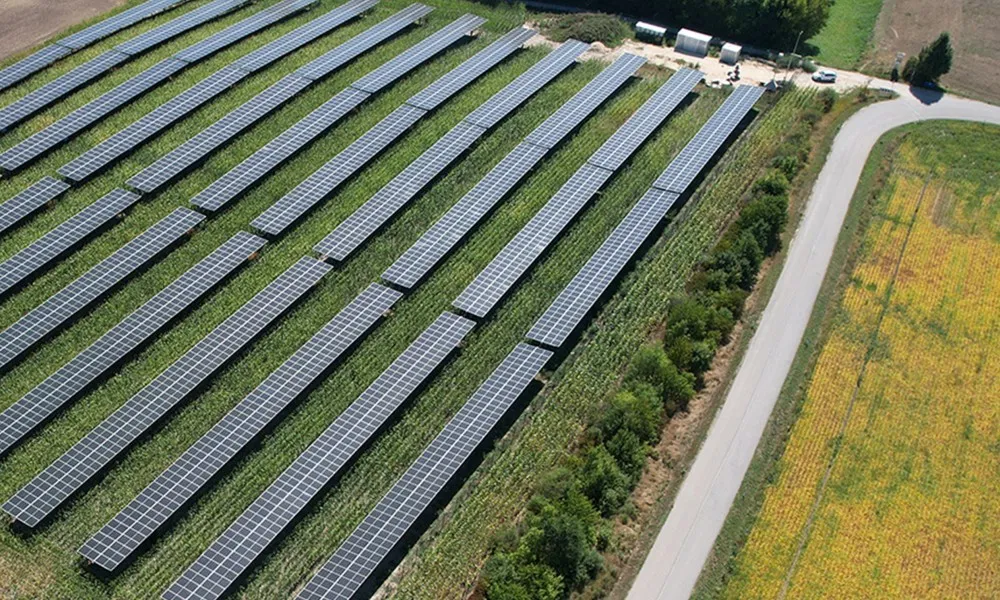
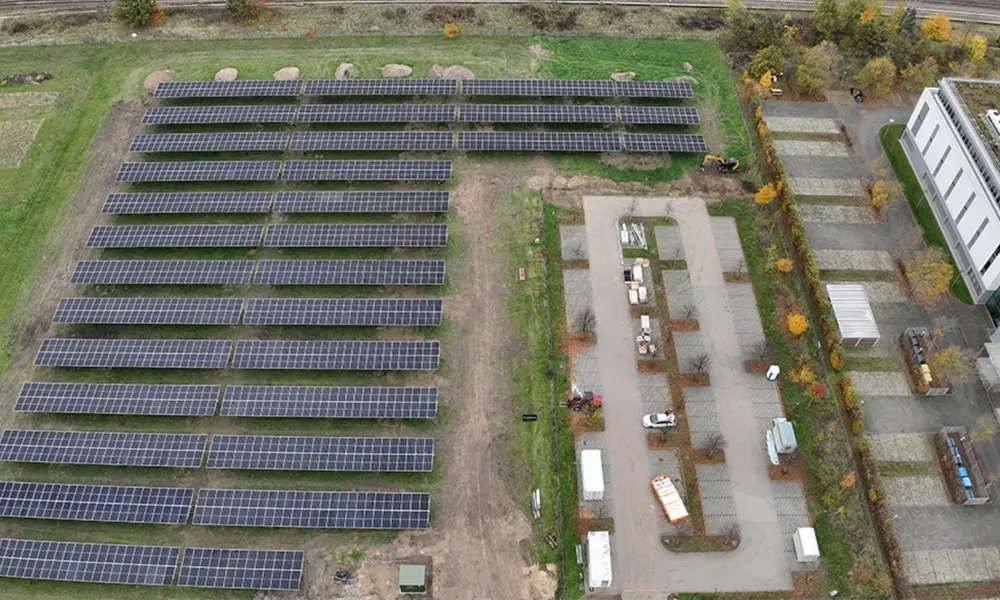
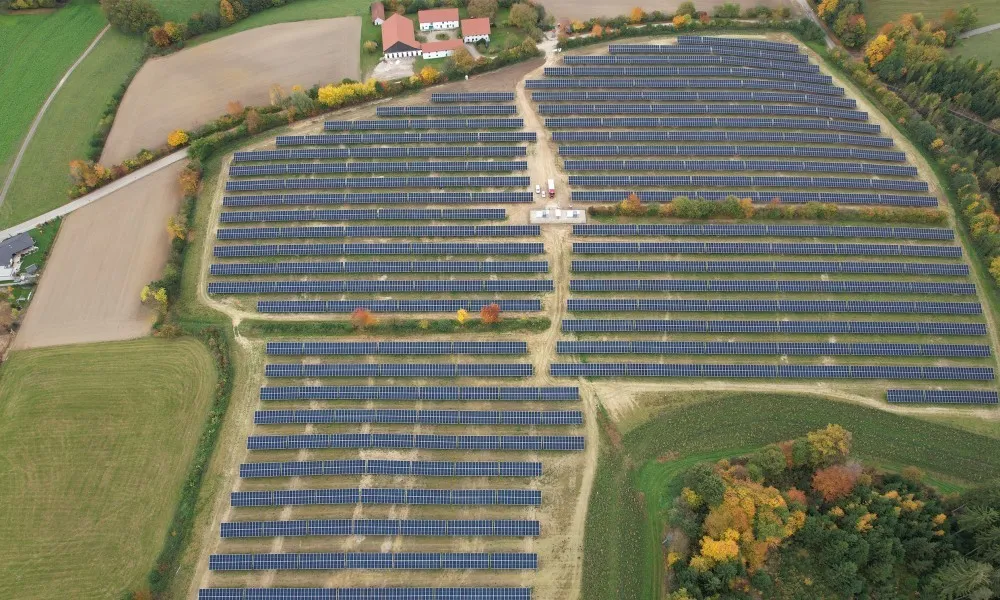
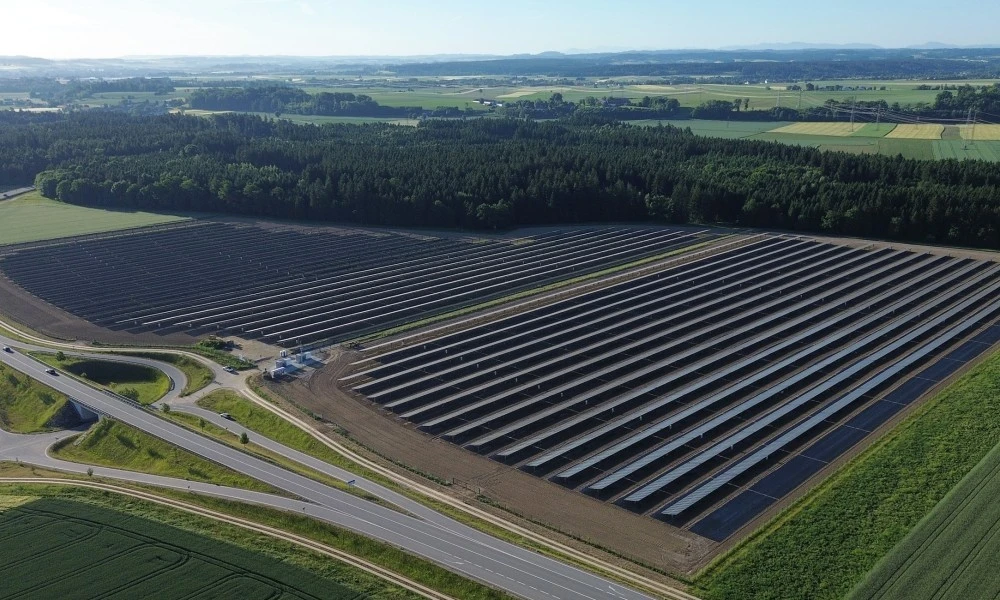
How a solar park affects nature depends strongly on the initial state. On intensively farmed arable land, additional habitats for open-country birds can arise, whereas on open land that is already valuable, losses occur. Skylark and grey partridge often use solar parks as breeding and feeding habitat, while findings for species such as quail or corn bunting are mixed. Row spacing, unshaded areas and connection to habitats in the surroundings are decisive. Surveys therefore record the species and habitats on the site and in the surroundings, as a rule with several visits in spring and early summer. The scope and period of the breeding bird mapping depend on the range of species, the location and the technical standards applicable in the respective procedure. The unshaded areas and row spacing required are to be determined for the site and species concerned; there are no generally valid minimum values. Flower strips, hedges and stone piles increase attractiveness. The fencing is to be designed so that it maintains permeability for suitable species; whether it protects nests must be assessed for the specific site. A structurally rich former site such as a landfill is more sensitive than intensively farmed arable land: on such a site, construction and plant layout can lead to the loss of breeding territories, and narrow row spacing can increase the habitat loss. Poorly connected sites are also hardly colonised by slowly immigrating species. Extensive grassland use with regional seed and consideration of the breeding seasons of ground-nesting birds promotes diversity; open soil patches such as skylark plots give skylarks room.
The results feed into planning and application documents. Protected areas and wildlife corridors must be taken into account early, and species protection is examined in the specific procedure. From the surveys, measures arise such as module-free sub-areas, staggered mowing outside the breeding season, compensation areas and construction time restrictions. The biology team covers birds, bats, amphibians, reptiles, botany including biotope types, and insects, and works with our permitting department early on. Whether an ecology concept is required in Lower Austria depends on the current legal situation, the zoning and the specific procedure. Surveys become meaningful when they take place before construction and monitoring follows after completion, ideally with reference areas for before-and-after comparison. This keeps it transparent why certain areas remain free and what maintenance applies later.
The results form the basis for the nature conservation specialist contribution for PV plants. For projects in Germany, we prepare the special species protection assessment (saP) for PV parks. During operation, the biological and ecological monitoring checks the measures implemented. The counterpart page for wind farms can be found under detailed nature conservation surveys for wind power.