PV feasibility study and layout plan for photovoltaic projects
PV feasibility study: we assess the economic viability and feasibility of your PV project and deliver a decision basis and layout plan.
With our feasibility study we create a clear decision basis for your PV investment. Whether agri-PV, ground-mounted or rooftop: we assess the economic viability and feasibility of your project on the basis of a detailed catalogue of criteria. Spatial planning, nature conservation aspects, permittability and grid engineering are just some of the points we cover in the study. You receive robust statements on feasibility and a layout plan that illustrates your plant. Fast and well-founded identification of suitable sites is just as much a part of it as recommendations for the next steps.
For spatial planning, provincial law is decisive: several federal provinces have their own zoning categories or suitable zones for ground-mounted photovoltaics, in others a special zoning in grassland is required. Nature conservation, road and water law also set limits, for example protective distances to water bodies or roads. In electricity law, the thresholds above which a permit is needed differ markedly between federal provinces. For the grid connection, the required documents depend on the connection procedure and the requirements of the grid operator, and the requirements of the TOR Erzeuger rise with plant size. In Upper Austria, for example, a special zoning is required in grassland for free-standing plants with more than 50 m² of module area, a nature conservation permit for more than 500 m² of collector area, and consent of the road administration within 8 metres of provincial roads. The electricity law permit is required there for more than 1,000 kW; other provinces have different thresholds.
Economic viability depends mainly on investment costs, plus irradiation and full-load hours at the site, service life and financing conditions. On agricultural land and grassland, the investment grant under the EAG is reduced by a deduction of 25 percent; for agri-PV plants with a mandatory agricultural main use the deduction does not apply under certain conditions. With agri-PV, suitability for agricultural use also counts: do the crops suit the shading, does the area remain accessible to vehicles, and what are the effects of orientation, water runoff and erosion? After feasibility come the grid application and rezoning (Umwidmung), which for agri-PV can take considerable time depending on the site and the procedure. Orientation and row spacing influence the light supply and shading of the crops and are to be examined for the crop, site and plant layout; depending on design and site, elevated systems can protect crops from certain weather influences but are more expensive. Site-specific field trials are recommended. Depending on the federal province, confirmations from the municipality on land zoning are also required.
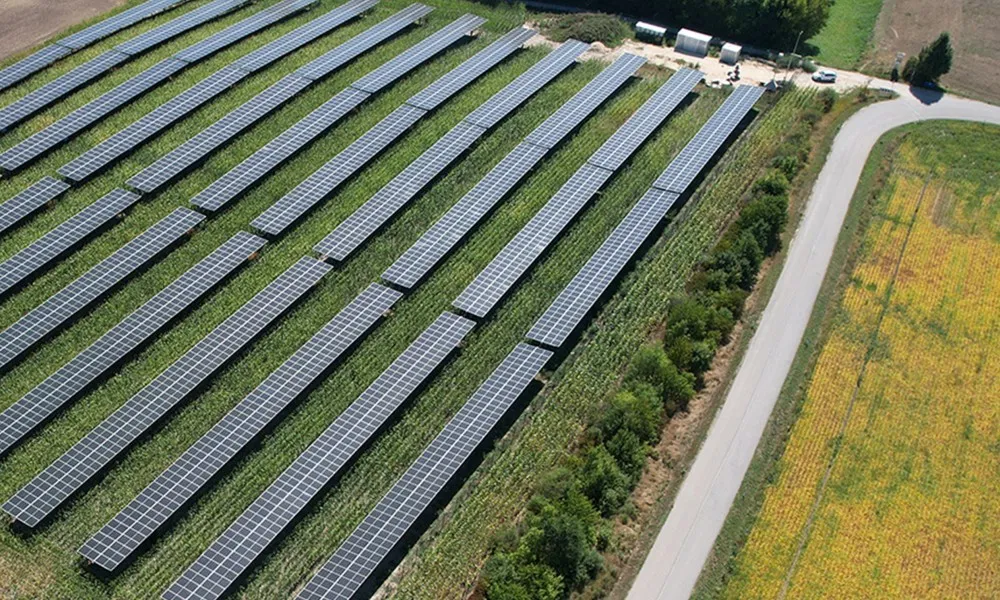
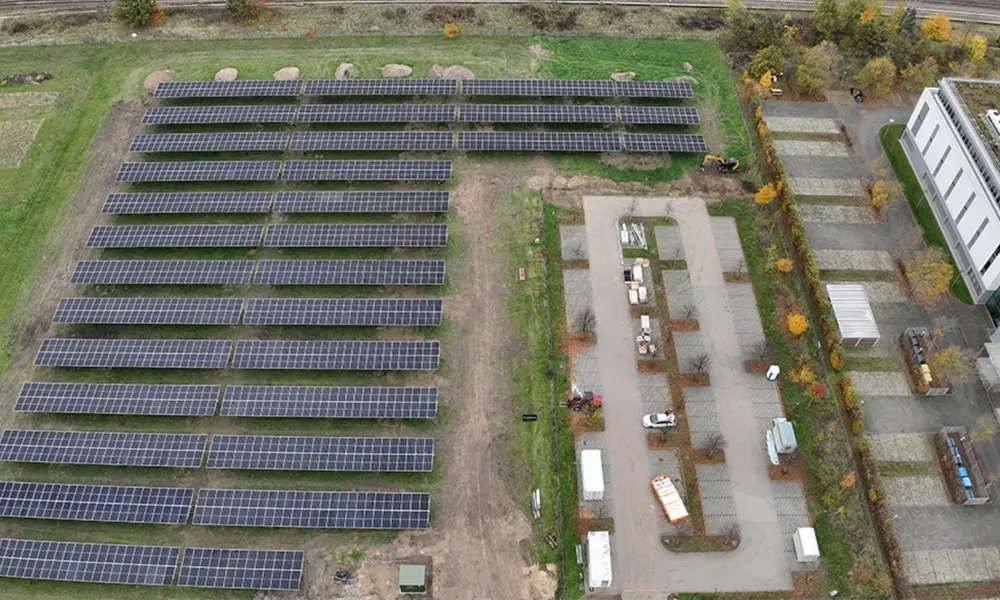
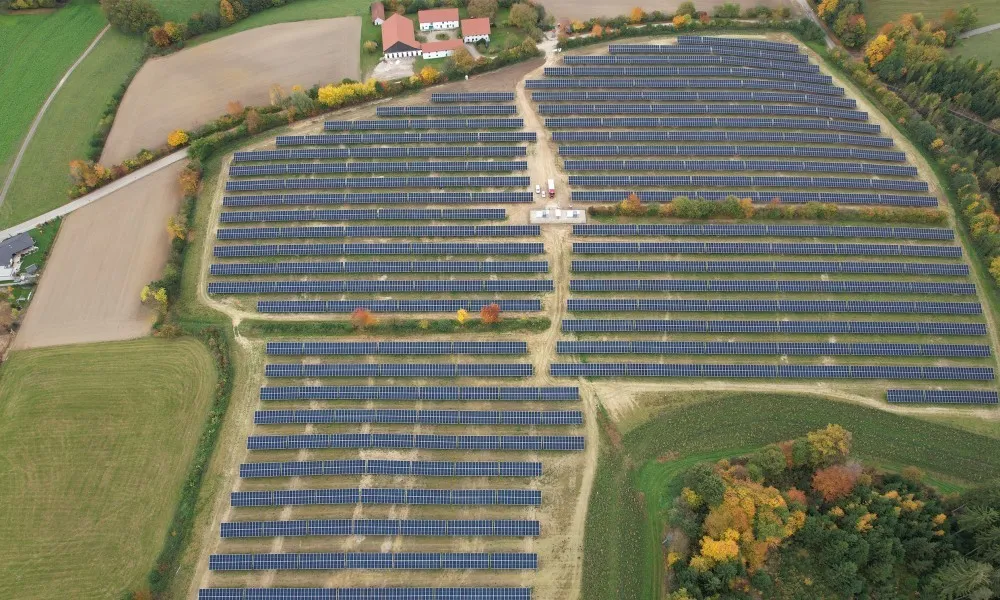
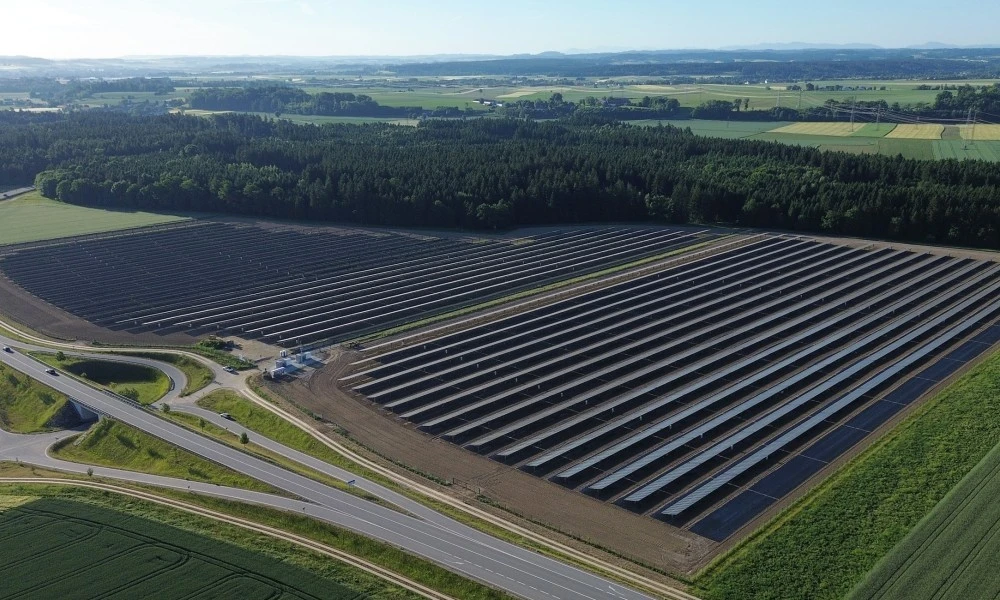
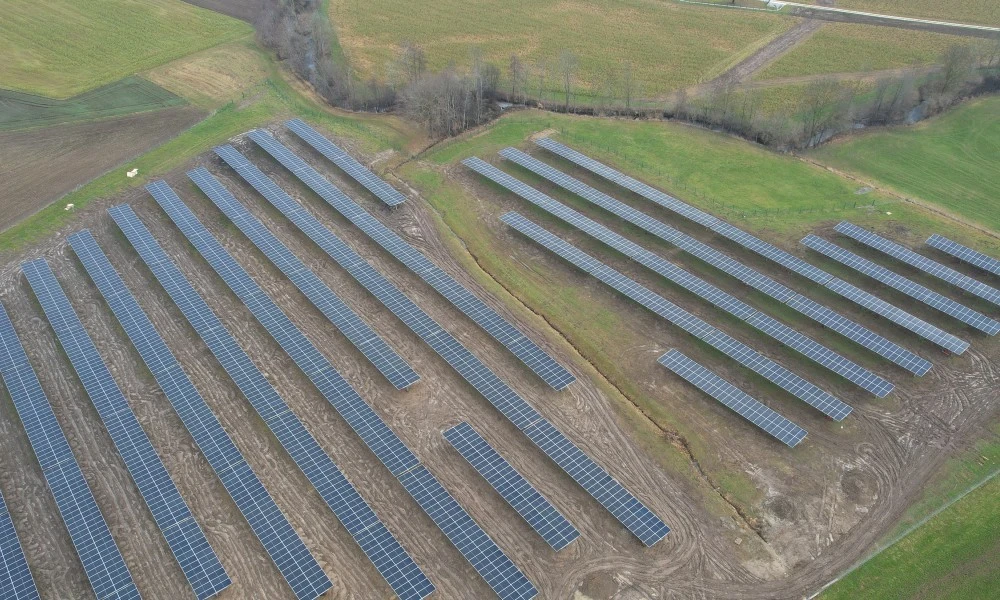
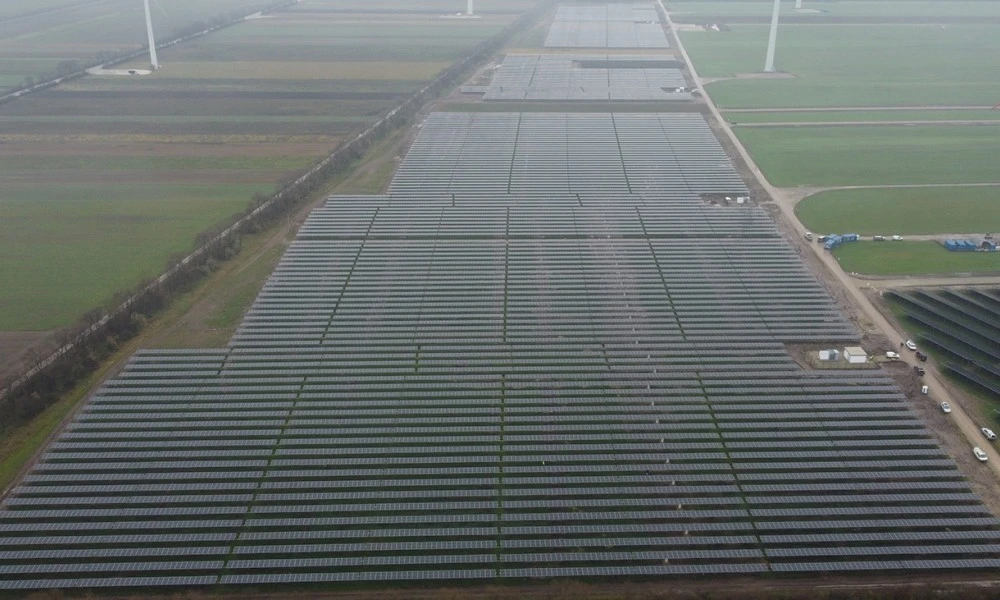
The layout plan shows how the modules are arranged on the site. Elevated systems let crops grow beneath the modules; with near-ground systems, farming takes place between the rows. Funding conditions may specify minimum dimensions, for example for the height of the module table lower edge and the row spacing. We also implement turnkey plants; a particular highlight is our EWS Sonnenfeld®. The study is often preceded by project development and land acquisition; afterwards the yield forecasts provide the figures for your financing. For storage projects there is the feasibility study for battery storage and grid.