Electrical engineering design and grid connection application for PV plants
Grid connection application for PV plants: electrical design from the application through internal cabling to the substation connection.
Before your PV project can really take off, you need well-considered electrical engineering design. We take on the entire process, from the grid connection application through the internal cabling of the PV plant to grid export and connection to a substation. We also provide technically sound support for integration into an existing energy system, for example an existing wind farm.
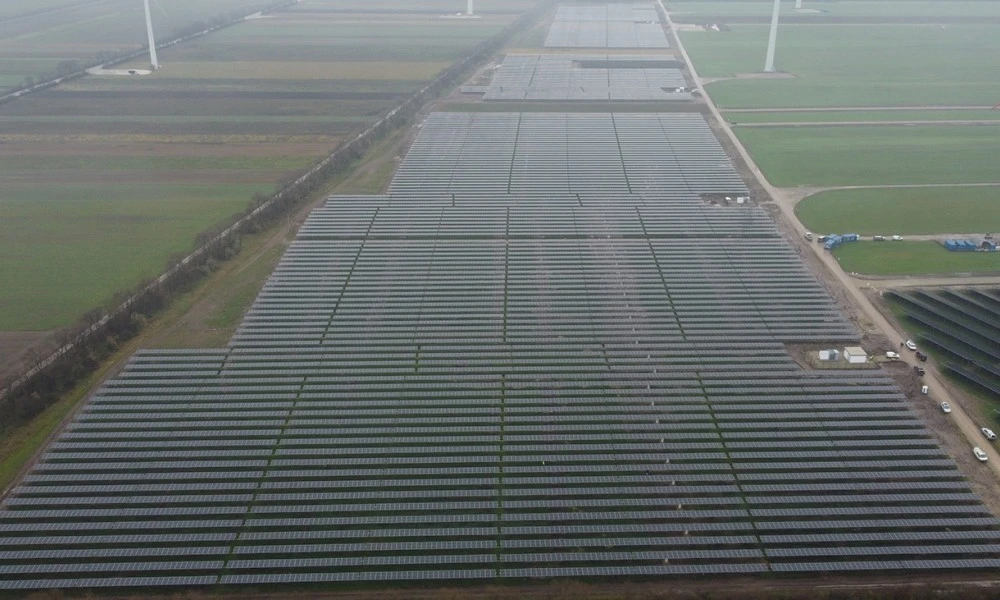
We base the design on modern grid calculations for load flow, short circuit, loss optimisation and thermal sizing. The grid impacts show whether the plant is grid-compatible. For mixed plants in which consumption and generation lie behind one grid connection point, the installed capacity of the entire generating plant counts for classification. We plan SF-6-free, integrate battery storage early and plan required substations with foresight. We support you in communication with the grid operator. Possible bottlenecks are violations of the voltage band, overloading of equipment and asymmetric feed-in; which of these are decisive depends on the grid and the site. Grid calculation is meant to make such effects visible before the application. If the PV plant is connected to an existing wind farm, the connection point can under some circumstances be shared, because wind and sun rarely reach peak output at the same time.
The route to grid connection leads through the grid connection application to be submitted to the grid operator, the grid operator's commitment and, after completion, the operating permit. Larger plants take longer to process, and not every application is approved without restriction: where a lot of photovoltaic capacity is being added, available grid capacity limits approvals more often. Complete applications of good quality shorten processing, so planning and application should be coordinated. The technical and organisational rules for power generators (TOR Erzeuger) classify plants into types by maximum capacity. Plants from 0.25 MW count as Type B, from 35 MW as Type C. For Type B, a conformity verification is carried out, for extensions of existing plants a park controller may need to be retrofitted, and whether and from what capacity real-time data must be transmitted depends on the applicable TOR, the plant class and the grid operator's connection conditions.
In PV projects, the grid connection often determines how large a plant can become. As a rule of thumb, small plants connect to a nearby transformer or a 20 kV line; for larger connection capacities, a connection at the substation may become necessary; grid capacity, grid level and site are decisive. We therefore plan cabling, grid export and substation together and check early whether grid compatibility is given. Depending on the procedure, the submission documents may also include a statement from the grid operator on feed-in entitlement. With Agri-PV, cabling affects agricultural use, which must be taken into account in the land management concept. The planning is prepared by the grid concept for PV. Electrical engineering design is followed by the detailed design for PV plants. For wind farms, the electrical engineering design for wind farms helps.