Solar park land-use planning (Bauleitplanung) for ground-mounted PV (Germany)
Solar park land-use planning in Germany: we support ground-mounted PV through urban land-use planning and compile the documents.
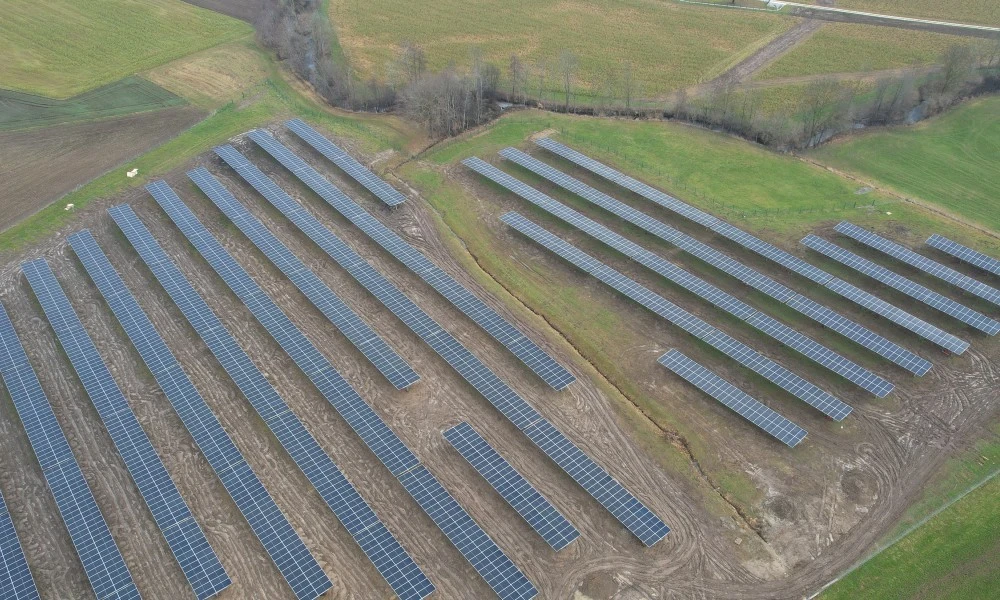
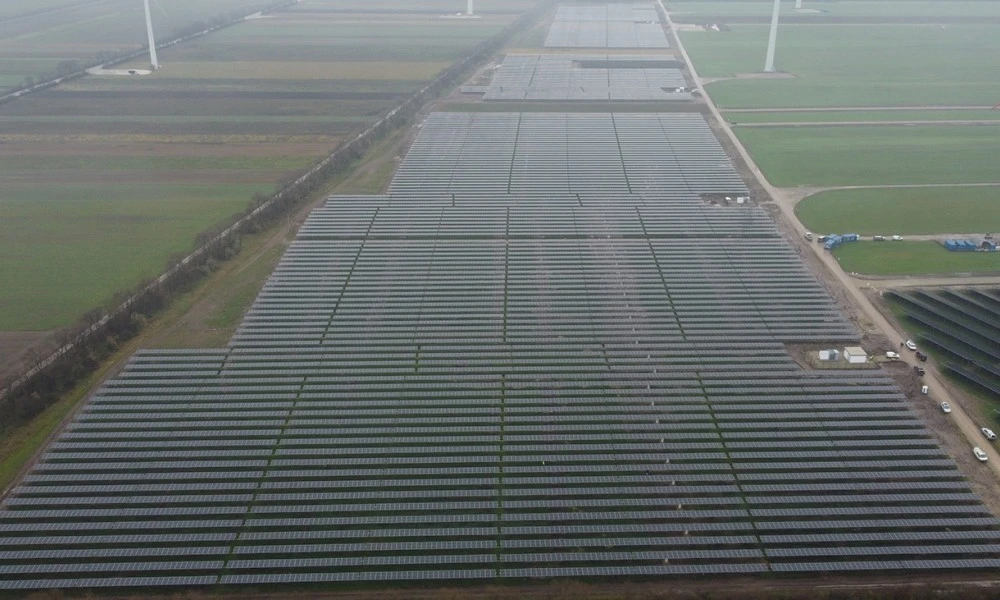
For ground-mounted photovoltaic plants in Germany, municipalities generally create the planning-law basis through urban land-use planning (Bauleitplanung). It consists of the preparatory land-use plan and the binding land-use plan. We support you technically through this procedure and prepare the documents needed for your solar park.
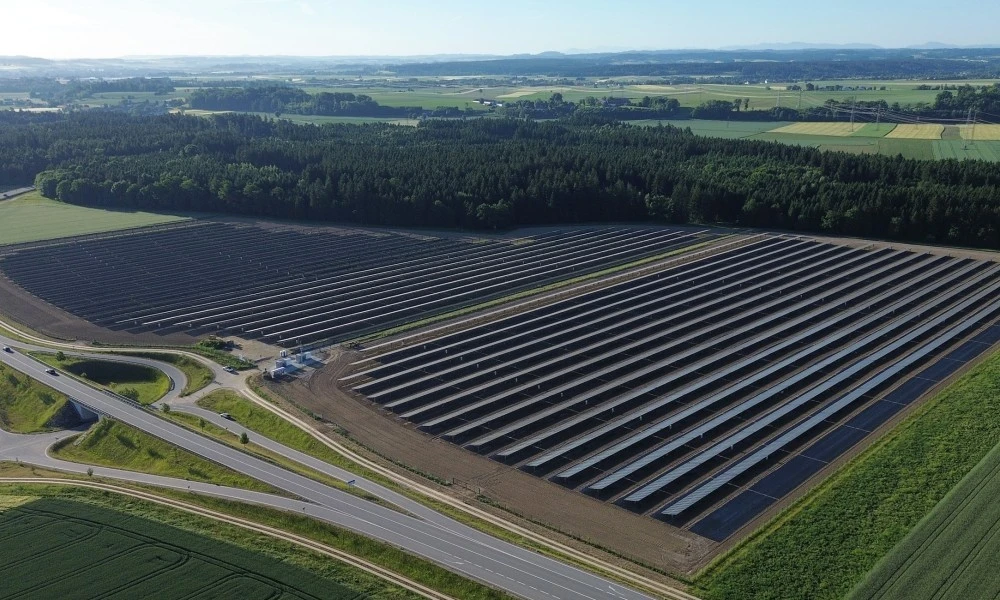
For urban land-use planning, the following applies: in the outlying area, ground-mounted photovoltaics is permissible without urban land-use planning only in the statutorily privileged cases, for example on land along motorways and certain railway lines up to 200 m away, or as certain agri-PV. Otherwise, a binding land-use plan and an amendment to the preparatory land-use plan are usually needed. The two procedures are formally separate but are often run in parallel. In the preparatory land-use plan, a special building area or the designation as an area for plants generating electricity from solar energy comes into consideration; in the binding land-use plan, usually another special area. What is set out includes the buildable areas, ancillary facilities such as fencing, storage and paths, and the compensation for the intervention in nature and landscape. There is no entitlement to the plan being drawn up: the municipality weighs the interests and examines alternative sites. Agri-PV can be privileged under section 35(1) no. 9 of the Federal Building Code (BauGB) if it is in a spatial and functional connection with a farm, has a footprint of no more than 25,000 m² and only one plant is operated per farmstead or business location. For larger projects, a binding land-use plan is usually needed here too.
Urban land-use planning begins with the resolution to draw up the plan. After that, all interests relevant to the balancing exercise must be identified, including protected areas, species and habitat protection, landscape and soil. If sufficient data are lacking, the scope and method of the surveys must be determined case by case; this may also include overview site visits. For species protected under European law, mandatory prohibitions apply, so the nature conservation authority should be involved early. The environmental assessment takes place in the land-use planning procedure and can be taken into account in later assessments. Whether further assessments are required is judged separately in the approval procedure. The compensation for the intervention must be settled before or together with the adoption of the plan as a by-law; if it lies outside the plan area, the land and the implementation of the measures must be legally secured; the specific form of security depends on the individual case, otherwise errors in the balancing exercise are a risk. Technical building blocks include the detailed nature conservation surveys for the special species protection assessment (saP) and the nature conservation report.
With a project-related binding land-use plan, the project developer commits in an implementation agreement to carrying out the project and demonstrates land availability and financing. Provisions on dismantling and security are customary. For agri-PV, this procedure offers more design freedom because the stipulations are not bound to the catalogue of the Federal Building Code (Baugesetzbuch). If PV use is only set for a limited period, this alone does not create an obligation to dismantle, so a contractual arrangement with agricultural re-use is recommended. Urban development contracts can cover planning costs but cannot guarantee a particular planning outcome, and agreements on the financial participation of the host municipality under section 6 of the Renewable Energy Sources Act (EEG) may not be concluded for ground-mounted plants before the binding land-use plan is adopted. The earlier the municipality is involved, the more reliably the schedule can be estimated. The counterpart for wind farms is urban land-use planning for wind turbines. If the project changes later, the modification procedure for PV projects helps. You can find out more about our agri-PV plants under EWS Sonnenfeld®.