Environmental construction supervision for solar farms and ground-mounted PV plants
Environmental construction supervision for photovoltaic: we protect sensitive habitats and ensure compliance with environmental and nature conservation rules.
Expert ecological environmental construction supervision reduces the impact of the construction phase on nature to a minimum. Our specialists make sure that all requirements are met on solar farms and ground-mounted PV plants and that sensitive habitats are effectively protected.
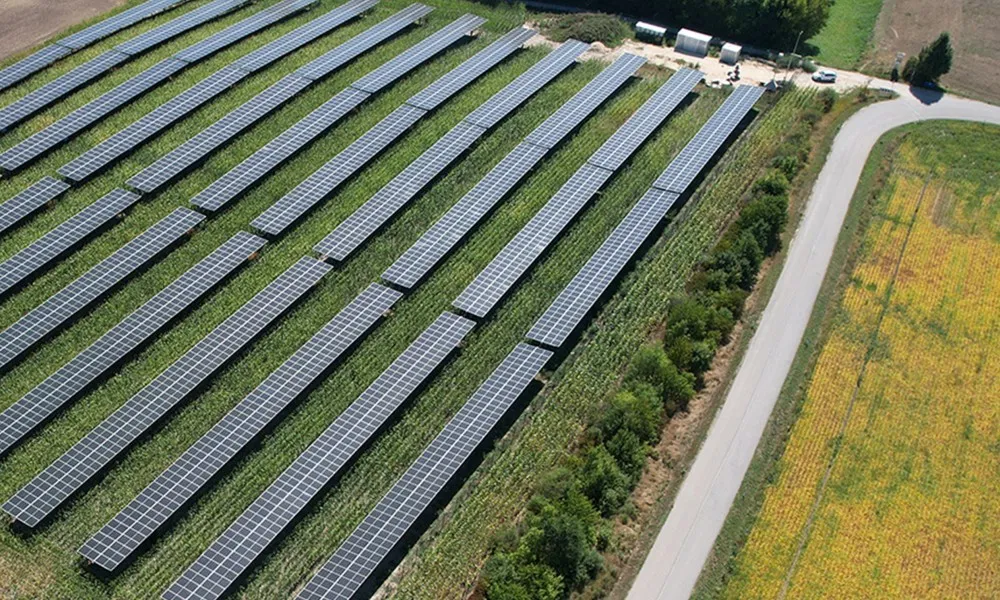
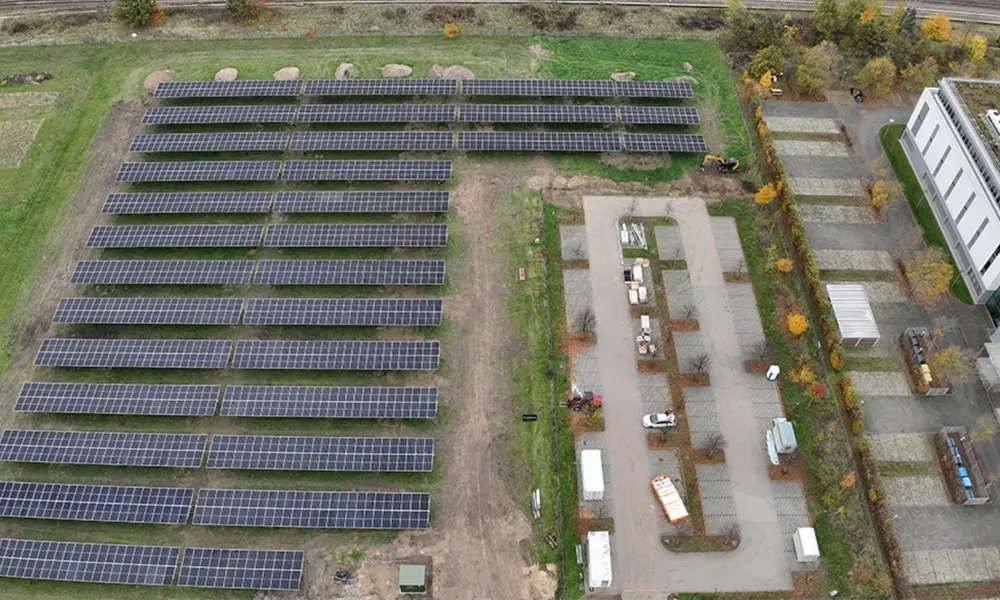
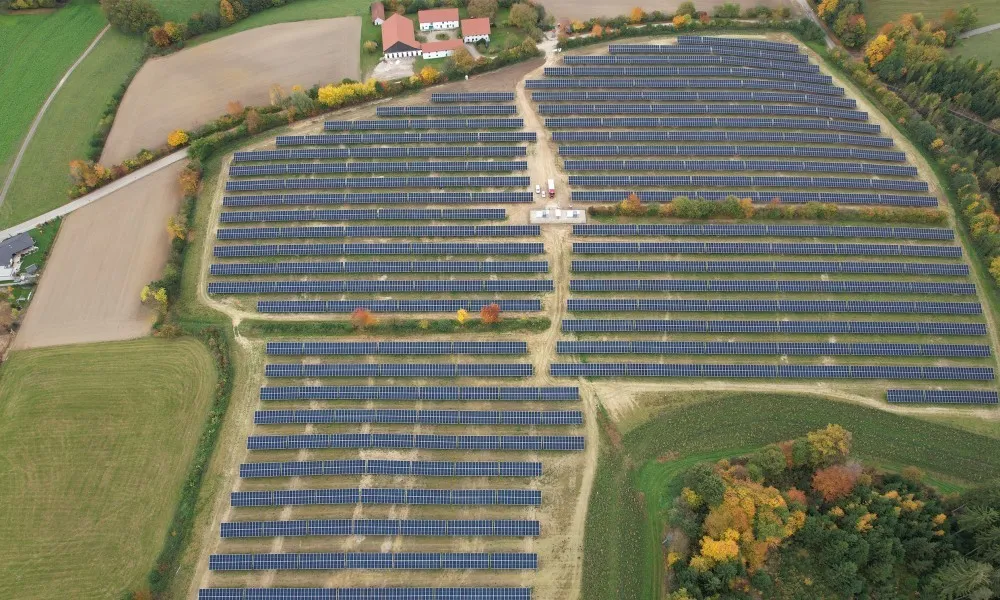
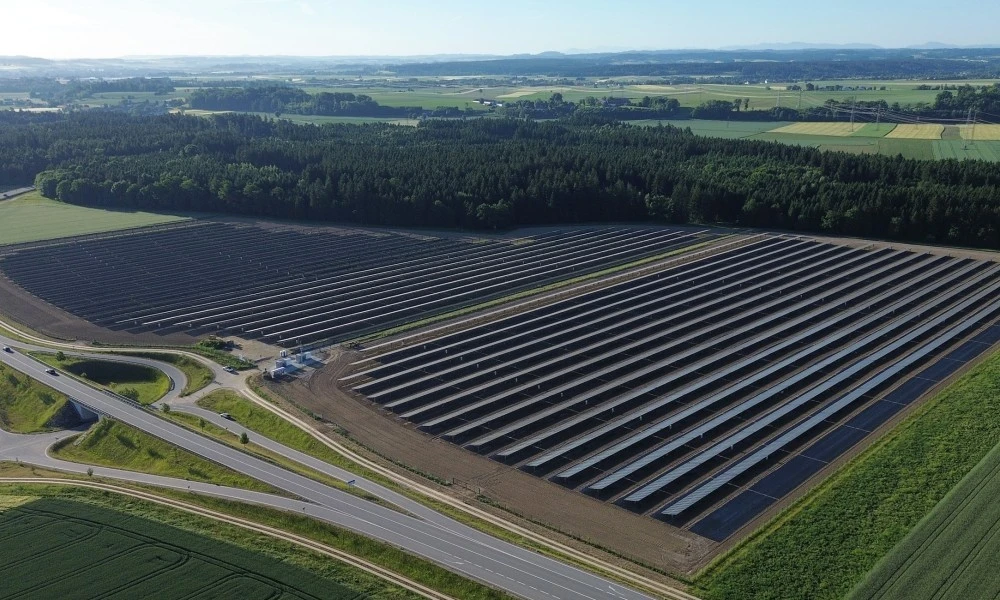
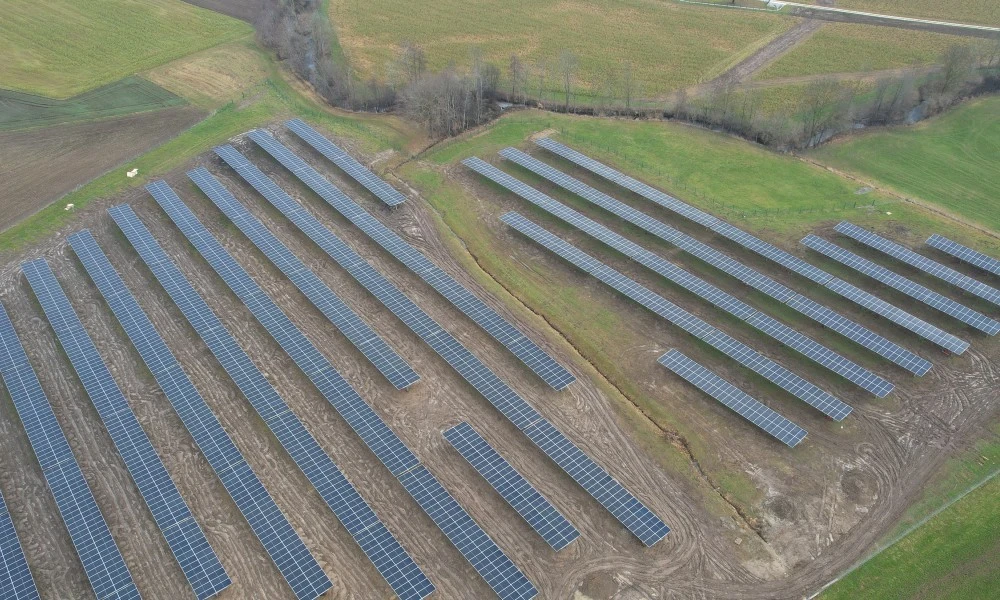
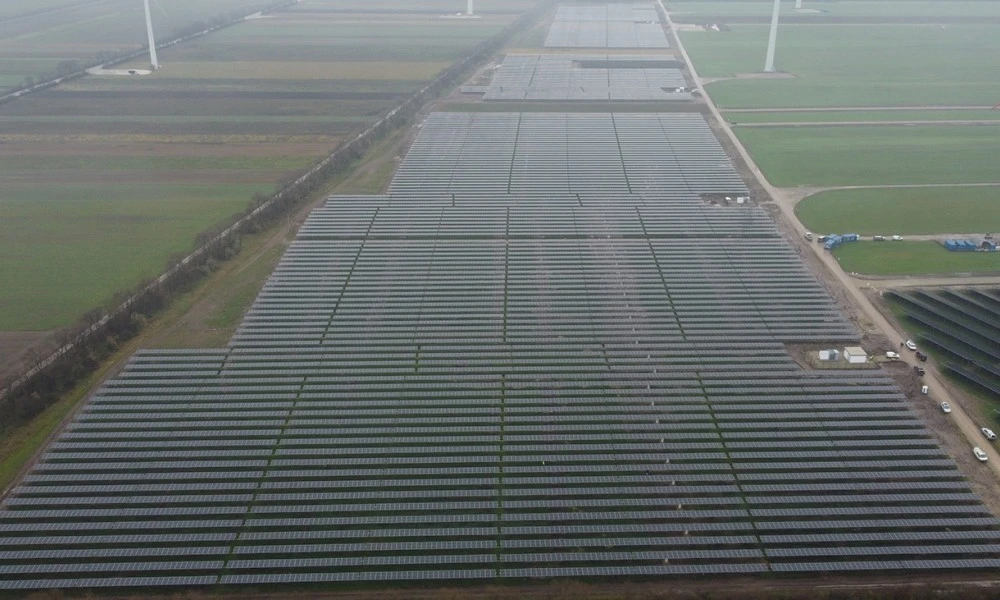
On ground-mounted plants the interventions cover large areas: access roads, cable trenches and mounting areas affect meadows, fields and edge structures. Ecological supervision ensures that work areas and processes take the habitats into account. Which tasks arise is determined by the permit decisions. Often the ecological construction supervision has to be named to the authority before construction starts. It directs the implementation of compensation areas, planting, neophyte management and monitoring and documents them with dated photos and a final report. If the ecological construction supervision is professionally suited, it recognises nesting sites or protected plants on the construction site and points out where protection areas or no-build zones are needed; the binding determination depends on the permit decision, the contract and the responsibilities. Old trees and shrubs may sometimes not be touched, and hedges in wildlife corridors must be secured, including maintenance and replacement planting in the first years. Under nature conservation law, depending on the federal province and size, even construction may require a permit or notification. In Upper Austria, free-standing plants with more than 500 m² of collector area on grassland outside closed settlements and outside areas with a legally effective development plan require a permit, and smaller plants from 2 m² of collector area a notification.
Typical conditions concern the timing of the work. Construction time restrictions are meant to protect breeding seasons. If construction nevertheless takes place in summer, breeding bird checks and no-build zones are provided for. Compensation areas for ground-nesting birds such as the skylark often have to be created before construction starts, and a development and management concept is submitted to the authority before the first spade is put in the ground. Later maintenance counts as well: mowing outside the breeding season and staggered across partial areas, avoiding fertilisers and pesticides, and open soil patches or structural elements promote biodiversity in the park. Structural elements such as piles of stones or wood, untreated margins and nest boxes on transformer houses or module frames enhance the site further. Open soil patches are deliberately retained as structural elements, while the remaining areas under the module tables and the green strips are planted with site-appropriate vegetation, depending on the management concept. Monitoring reports with photo documentation are submitted over many years, annually at first and later at longer intervals, which is why proper documentation begins in the construction phase.
We support your project on site, advise on nature-friendly procedures and document all ecologically relevant measures transparently, in close dialogue with the client and the authorities. Nine biologists cover birds, bats, amphibians, reptiles, insects and botany, and offices in Vienna, Parndorf and Munderfing mean short distances. The results feed into biological and ecological monitoring. The basis is the nature conservation specialist report; on site we work together with local building supervision. On turnkey projects, environmental construction supervision runs in parallel with turnkey installation.