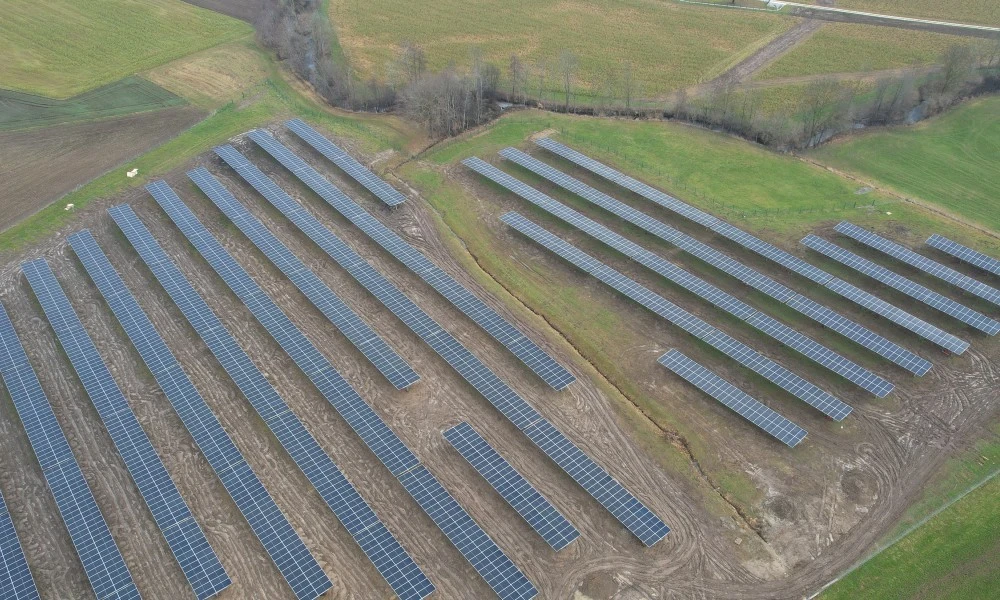
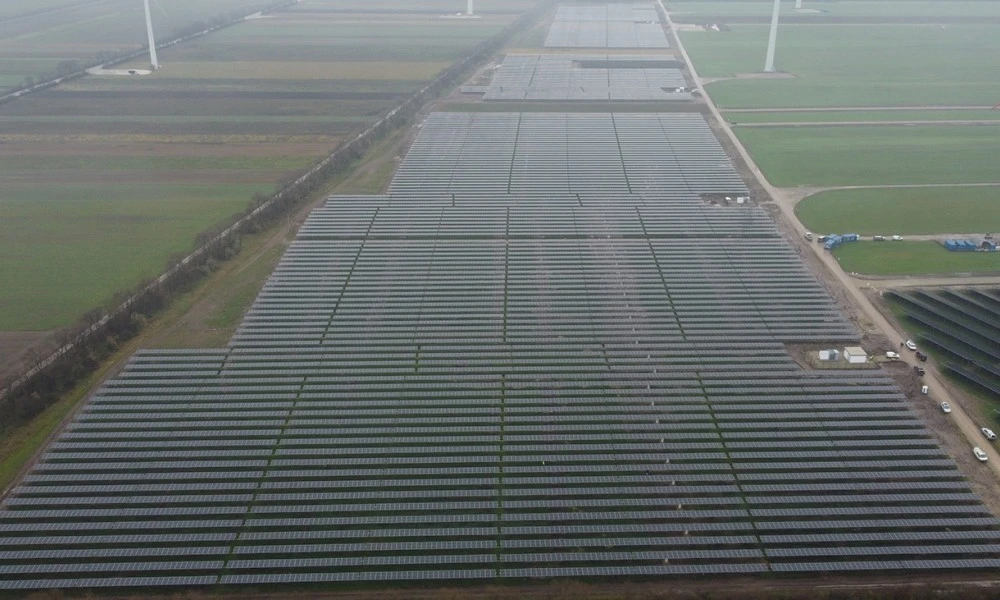
Technical acceptance of PV plants and solar farms
Technical acceptance of PV plants: independent, standards-compliant inspection as the final step in project implementation, for safety, quality and performance.
Plant acceptance is the final step in project implementation. Our technical acceptance ensures that your PV plant has been professionally installed, complies with the relevant standards and fulfils the contractually agreed services. This serves the safety, quality and long-term performance of your solar farm.
What has to be checked on a grid-connected PV plant is governed above all by OVE EN 62446-1. It specifies which documentation has to be handed over and which commissioning tests and inspections have to be demonstrated, graded by the size and complexity of the plant. The modules themselves are generally qualified under IEC 61215 (design qualification) and IEC 61730 (safety); at acceptance, what counts is whether they, the mounting structure and the cabling have been installed as planned. In addition there are test reports and confirmations that the authority or grid operator may require, for example on grid decoupling protection, insulation monitoring and surge protection. The evidence that arises around acceptance includes the test report on the grid decoupling protection by a competent person, CE declarations of conformity, and test reports and proof of conformity under the sets of rules named in the TOR Erzeuger, for example OVE R 25 or EN 50549-1; which evidence is required in an individual case, and by which body, depends on the plant category and the grid operator. Fire protection belongs here too: depending on the fire protection concept, the local fire brigade and the requirements of the authority, a fire brigade plan and key boxes at the access points may be required. The inverter settings are also documented: confirmation of the Austria country setting is among the evidence the grid operator may request.
Defects noticed at acceptance can still be rectified by the contractor. A documented acceptance is also the basis for handover to operation and a reliable starting point in warranty matters. The result is an inspection report with photo documentation and a defect list including solution-oriented recommendations. For questions on modules, inverters and other components, we support you in communicating with the manufacturers and other trades. After takeover the warranty periods start running; a site inspection before they expire uncovers remaining defects. The acceptance test also provides the baseline for the recurring inspections that may be prescribed, depending on the permit decision and the applicable regulations. Depending on the procedure, several parties are involved: a competent person or competent company tests the grid decoupling protection, the specialist company and the grid user confirm contract-compliant installation, and the grid operator may attend the tests. For plants below 250 kW (type A under the TOR Erzeuger), conformity is demonstrated by installation or verification documents; for larger plants, further requirements of the TOR Erzeuger apply.
Acceptance follows on from local building supervision for PV plants and comes after installation, which on turnkey projects is carried out through turnkey installation. The documentation of the final inspection file (Kollaudierungsoperat) takes care of the documents, and the specialist support for the acceptance procedure covers the dealings with the authorities.