Procurement and delivery for PV plants as an EPC contractor
PV procurement and delivery as an EPC contractor: we coordinate materials, orders and delivery dates centrally and transparently.
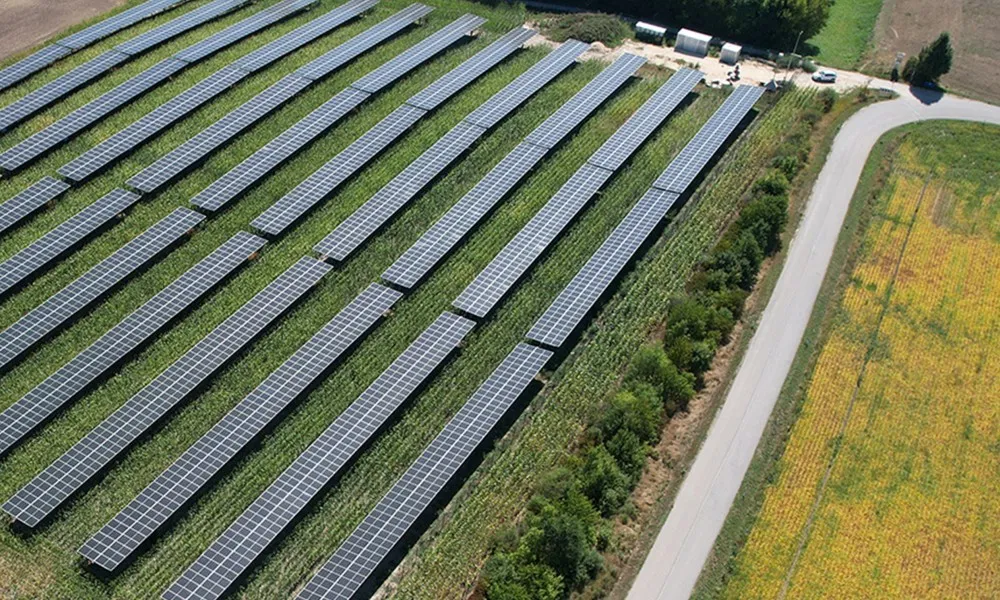
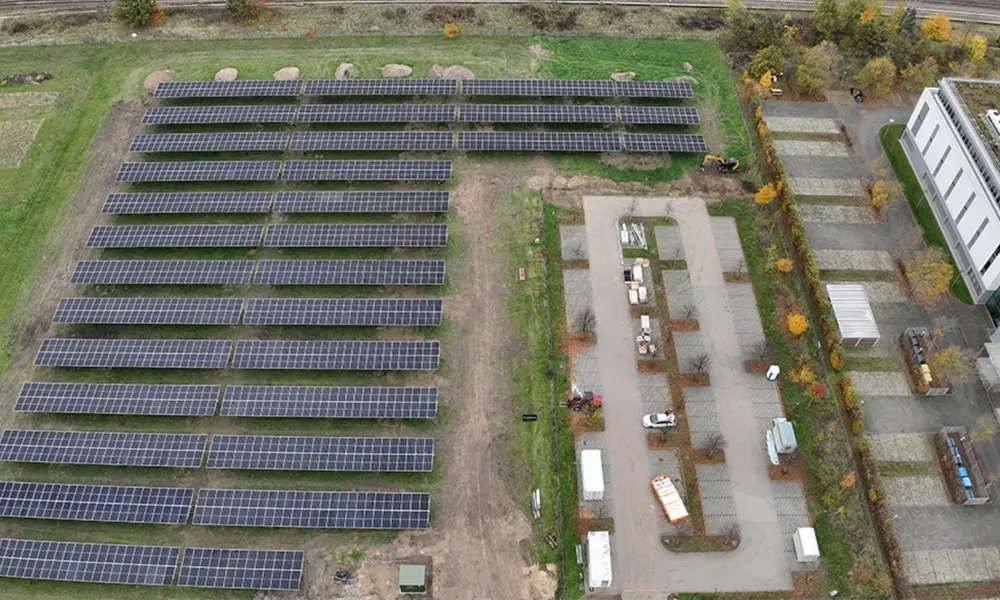
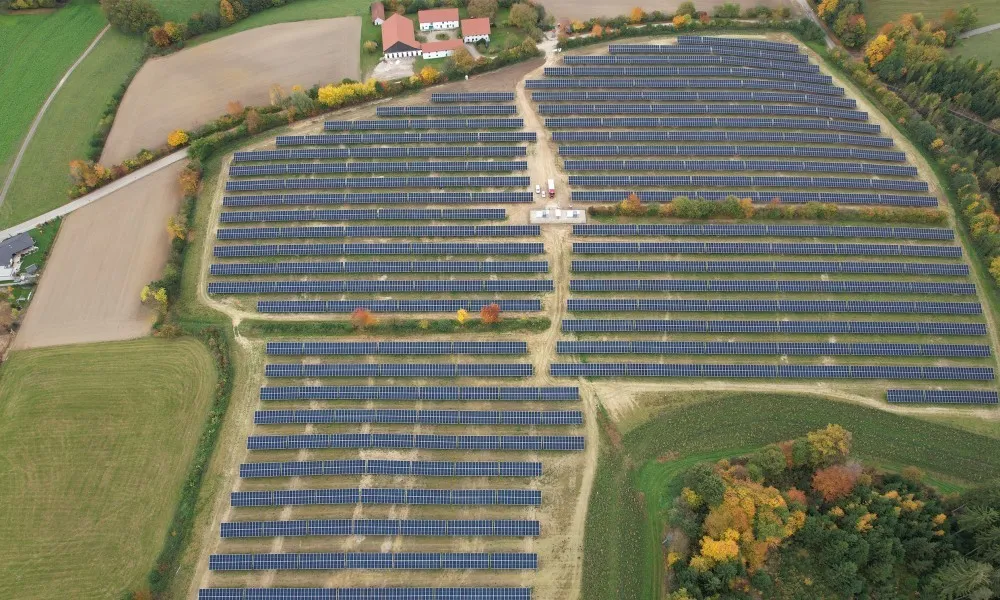
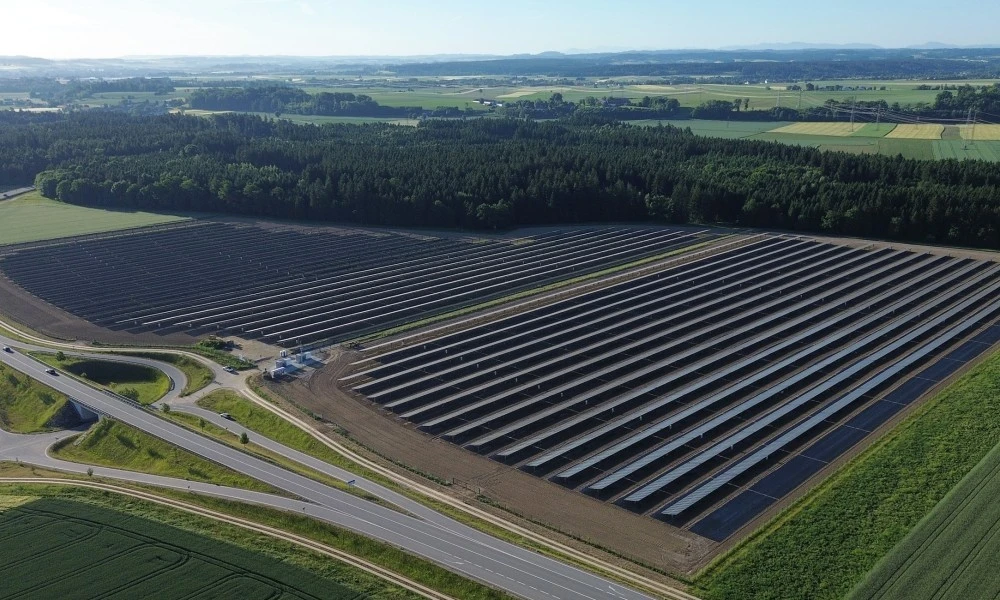
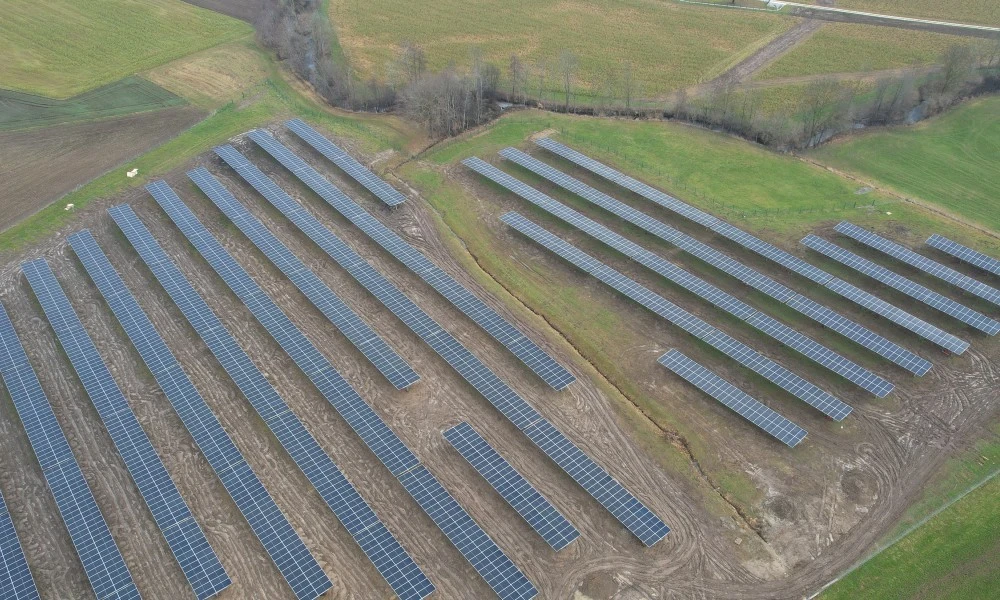
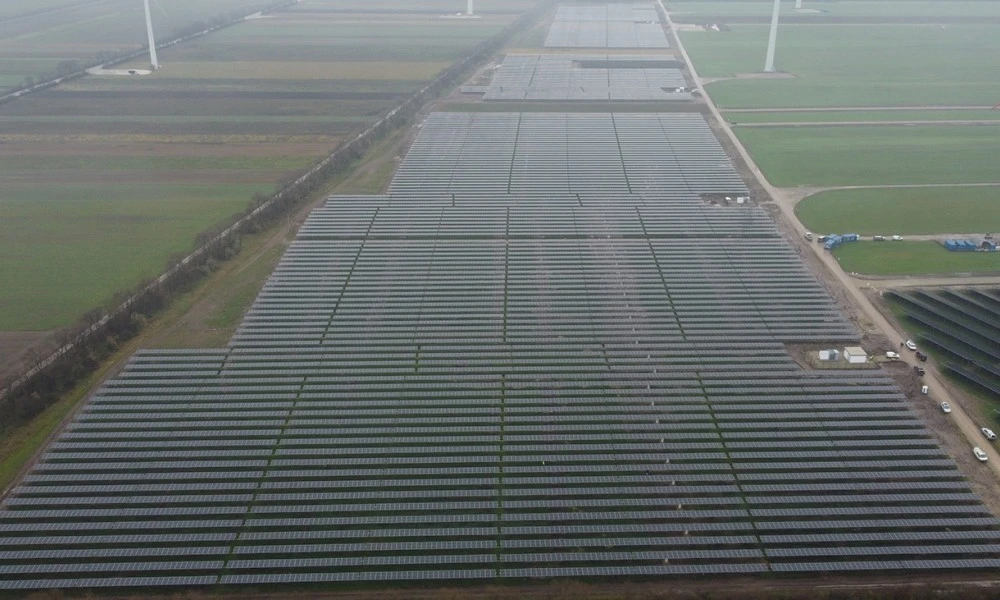
As an EPC contractor, we implement your PV plant from a single source. This applies to agri-PV plants for the dual use of grassland and arable land, to fixed or tracker-mounted ground-mounted PV plants and to PV plants on paved areas and car parks. We realise photovoltaic projects efficiently, on schedule and with a clear focus on quality and cost-effectiveness, with high-quality technology, proven partners and precise execution.
On PV plants, the selection and lead time of components determine the construction sequence. The key components include modules, mounting structure, inverters and transformer stations, and where required tracking systems and battery storage. If a delivery is not coordinated in time, the site stands still. That is why procurement in an EPC project is part of planning from the start, and responsibility for how the parts work together lies with one point of contact. Funding contracts make scheduling even more binding: different commissioning deadlines apply to the investment grant and the market premium; the relevant funding contract or award and the funding conditions are decisive. Central procurement makes evidence easier, because data sheets, certificates and test reports of the components are collected from the start and later feed into the documentation. Whether battery storage is to be supplied as well should be clarified early, because it changes the grid connection and scope of supply.
Technical and formal criteria apply in the selection. Modules should be tested to IEC 61215 (design qualification) and IEC 61730 (safety). Inverters must meet the grid operator's requirements: for smaller plants the operator requires, on request, CE declarations of conformity, test reports under the sets of rules named in the technical and organisational rules (TOR) for power generating plants (such as OVE R 25 or EN 50549-1) and confirmation of the Austria country setting; for larger plants additionally proof of conformity under the TOR for power generating plants. Clarifying this before ordering avoids expensive modifications shortly before commissioning. For ground-mounted plants on grassland and arable land, the funding also determines the mounting structure: for the investment grant, the EAG Investment Grant Ordinance for Electricity (EAG-IZV Strom) requires plants that can be removed without leaving residue, a minimum clearance between the lower edge of the module tables and the ground (currently 80 cm) and row spacing of at least 2 m (not for innovative and tracking plants); the funding conditions currently in force are decisive. EPC contracts also regulate whether the contractor procures the main components itself or the project company orders them directly. In the second case, price and currency risk remain with the project company, and a three-party agreement with the supplier regulates replacement deliveries. Manufacturer warranties that are transferable to the project company and financing institutions are usual.
Efficient procurement is the foundation of every successful PV project. That is why we coordinate material selection, ordering processes and delivery dates centrally and transparently. This way we avoid delays and unnecessary costs, and all components are available when they are needed for implementation. Which manufacturers come into question is clarified by the tender for PV components. This is followed by turnkey installation, and on site construction site coordination takes care of the sequence. For battery storage there is procurement and delivery of storage systems.